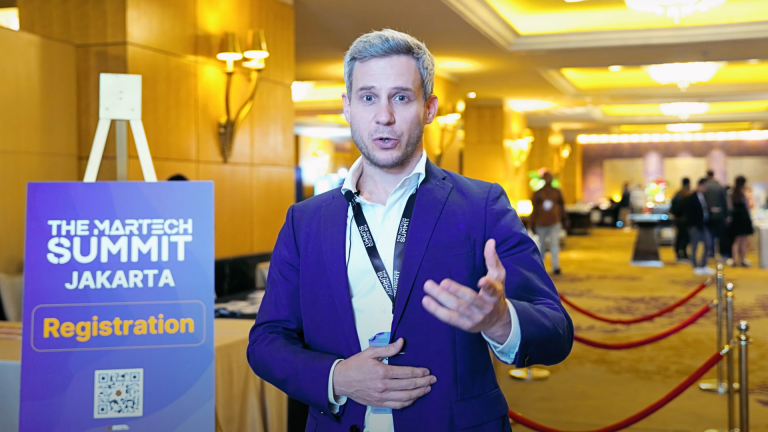
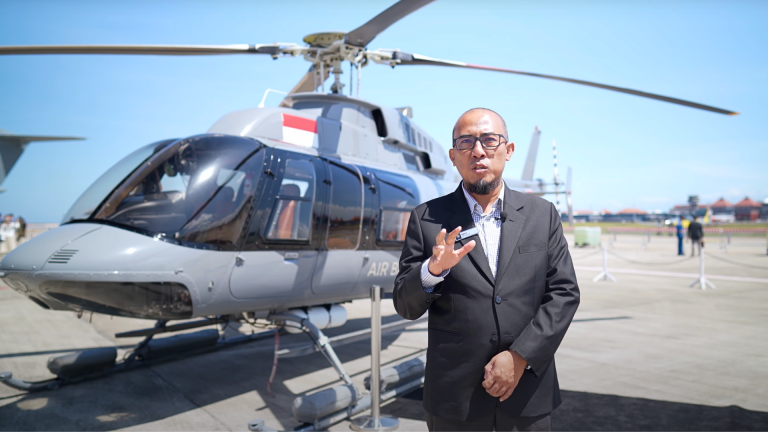
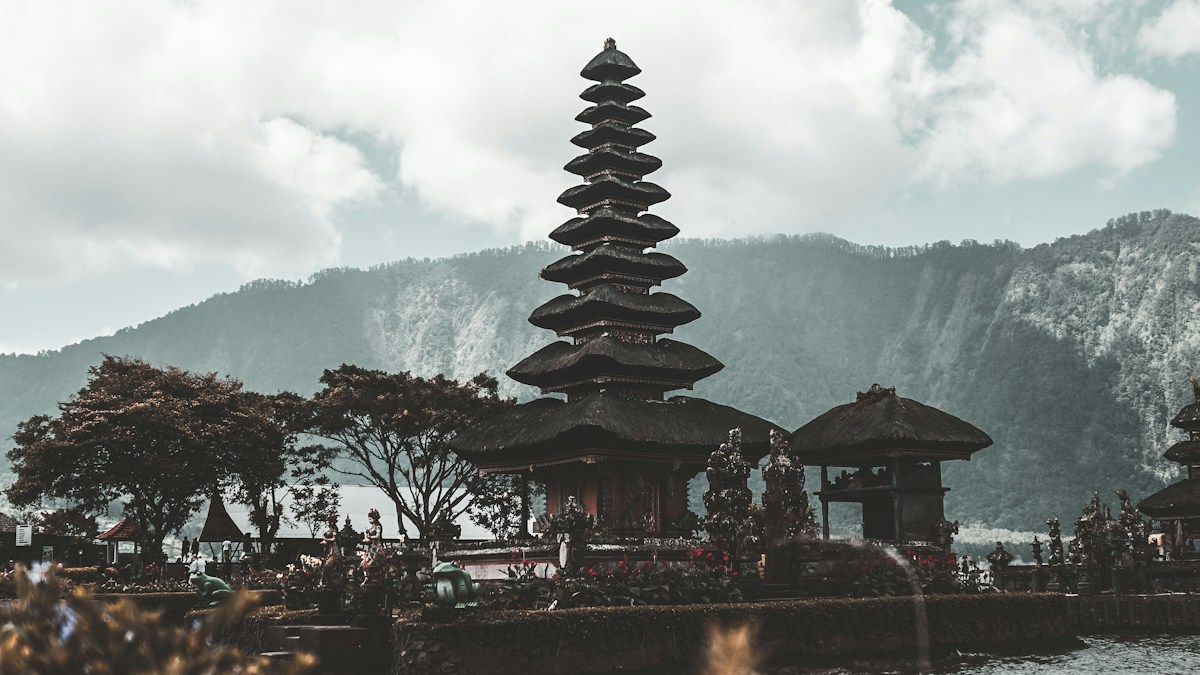
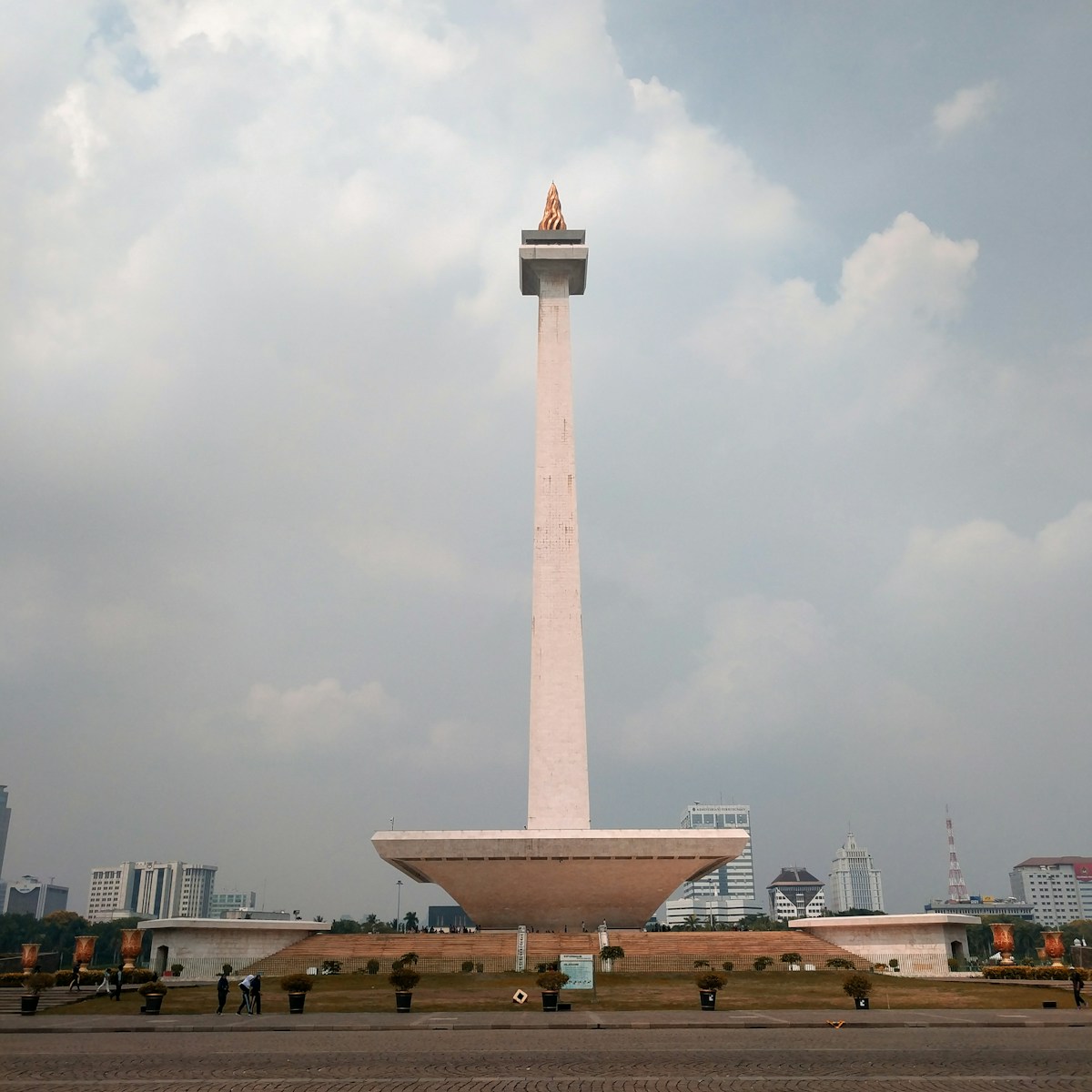
BLOG

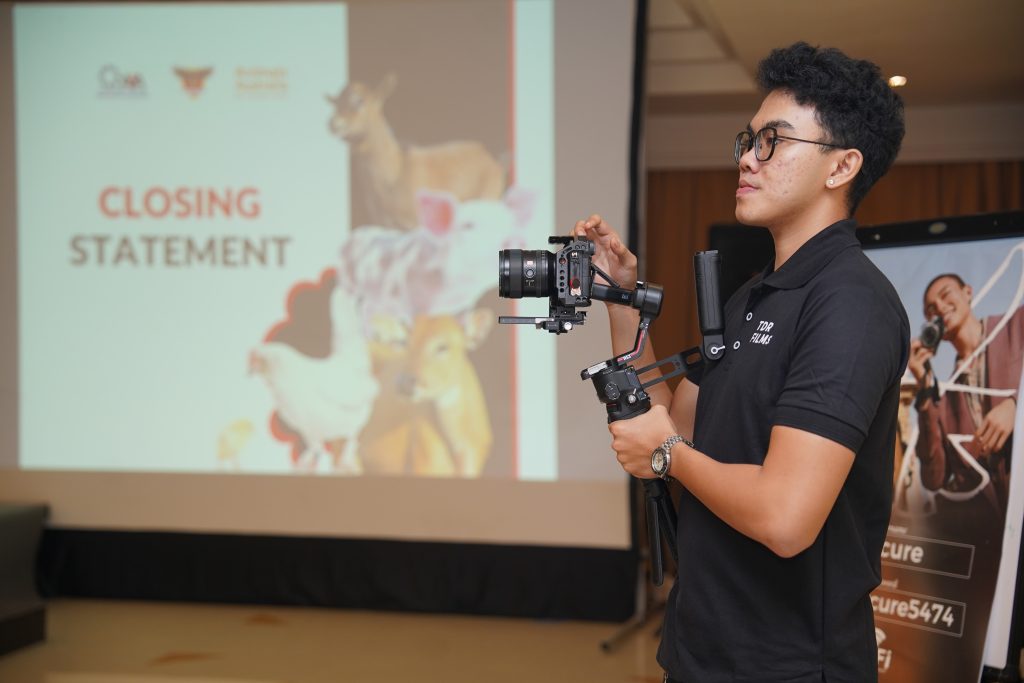
TDR FILMS camera operator holding a gimbal during an indoor event

Event Videographer Bali: How TDR FILMS Captures What Actually Happened

TDR FILMS is one of the most experienced event documentation companies in Bali, with a track record covering everything from small brand activations to government summits. In almost every case, teams treat documentation as an afterthought. Organisations spend months planning an event and significant budget bringing people together. Then they point a phone at it, or hire a freelancer with a single camera, and walk away with footage that does not come close to capturing what actually happened. However, it does not have to be this way.

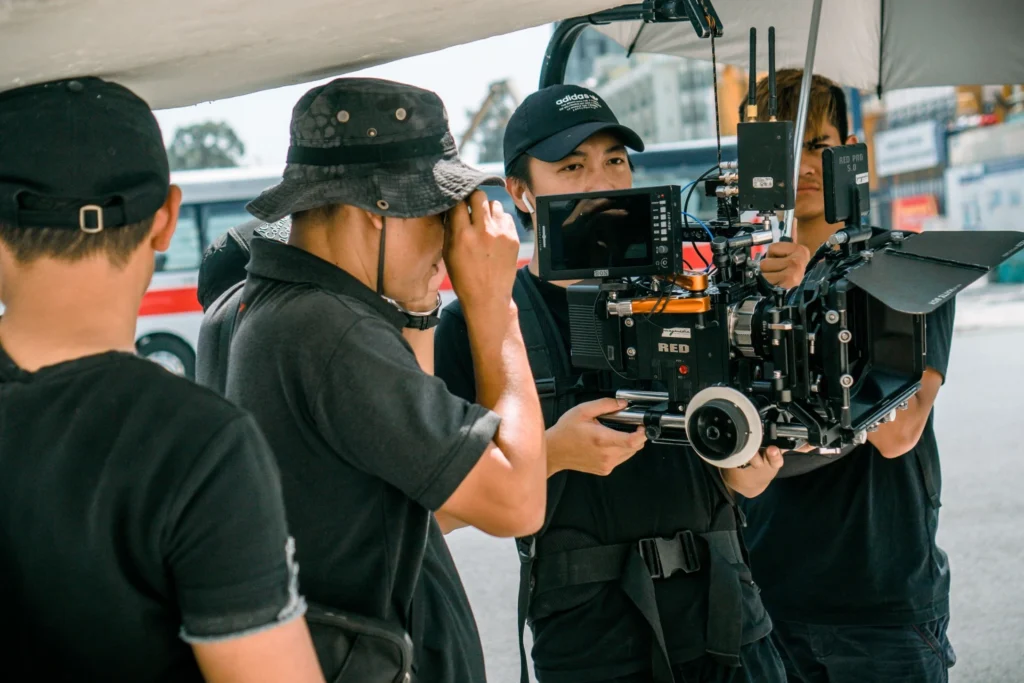
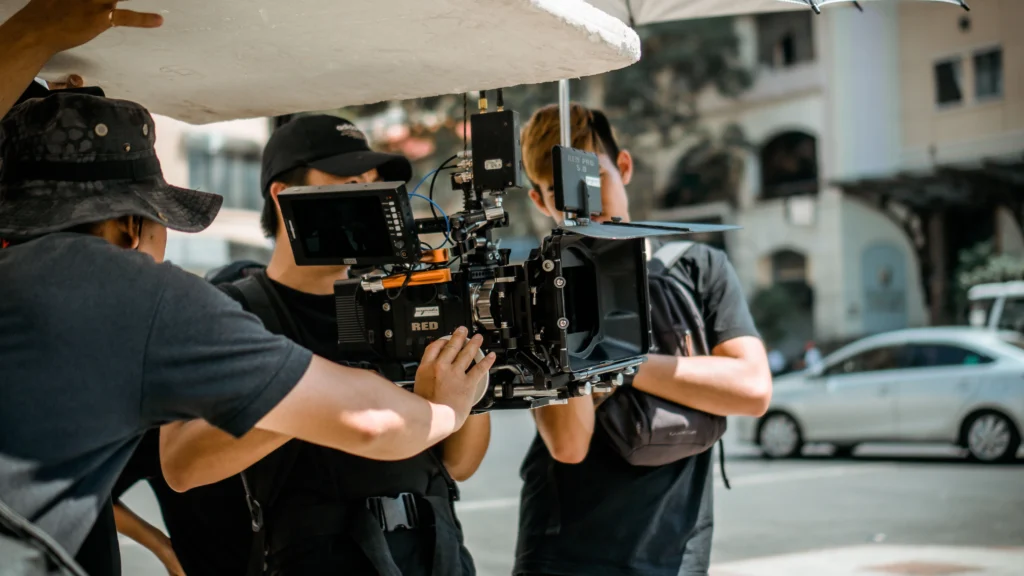
Kru produksi menyiapkan kamera sinema dan reflektor di luar ruangan

Cara Menghitung Budget Produksi Video Sederhana

TDR FILMS selalu menyusun budget secara rinci sebelum proyek dimulai, bukan menebak di tengah jalan. Cara menghitung budget produksi video sederhana sebenarnya tidak serumit yang dibayangkan pemula. Yang sering bikin bingung bukan angkanya, tapi tidak tahu komponen apa saja yang perlu dihitung dari awal.

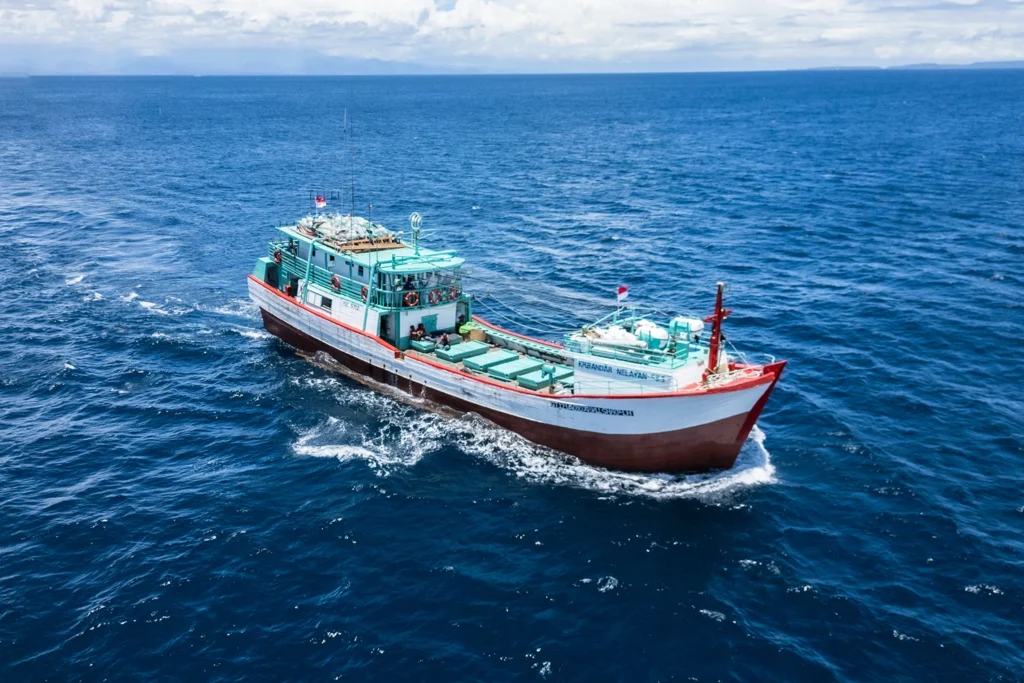
Aerial view of a Bandar Nelayan fishing vessel at sea

How TDR FILMS Built An Industrial Company Profile Video For Bandar Nelayan’s Seafood Processing Plant

Back to blog How TDR FILMS Built An Industrial Company Profile Video For Bandar Nelayan’s Seafood Processing Plant TDR FILMS produces the industrial company profile video Indonesia exporters trust to explain their operations on an expo floor in China, the US, Japan, and Europe. Bandar Nelayan, one of Bali’s largest seafood catching and processing operations, needed exactly that kind of proof. By Yudi Suarbawa 28 June 2026 4 min read Still from the Bandar Nelayan company profile production (2026). Key takeaways A single approved narrative built for expo screens in China, the US, Japan, and Europe, then adapted per market instead of translated after the edit closed. A 180-vessel fleet and a 16,000-tonne cold storage system filmed as a real operating system, not a highlight reel. Two separate films: a company profile for buyers and investors, and a behind-the-scenes film following the catch through the processing floor. The brief was not a highlight reel for social media. It was footage built to stand next to any exporter’s presentation in Shanghai, Los Angeles, Tokyo, or Rotterdam. It had to answer a buyer’s real questions in a few minutes. Why Bandar Nelayan needed an industrial company profile video Indonesia exporters trust Buyers who watch a seafood exporter’s video at an international expo look for proof, not polish. They want to see the fleet, the plant, the hygiene standard, and the process behind the product. TDR FILMS built the brief around that audience from the first meeting. The goal was never a generic corporate reel. It had to sit in front of a buyer in Guangzhou or Boston and hold its own. An engaging storyline, not a stats reel Most company profiles for a plant this size default to a straight list of numbers. TDR FILMS built an actual storyline instead. The film opens on the boats at sea. It follows the catch all the way to the export container. A buyer at an expo booth experiences the supply chain in order. They are not just reading about it on a slide. That structure turns a capability video into a story. Buyers remember it after they walk away from the booth. From a handful of boats to a 180-vessel fleet Bandar Nelayan started in 1996. Mr. Kasdi Taman founded the company with only a handful of fishing vessels. Three decades later, the company reports more than 180 vessels under its management. The film shows the fleet as part of the wider operating system. TDR FILMS filmed the fleet at sea and at dock to show that scale honestly. The camera followed the daily rhythm of departure, catch, and return, not a single drone shot. Inside the processing facility: capacity, technology, and hygiene Bandar Nelayan built the processing facility to international standards. The company lists 16,000 tonnes of cold storage capacity. The film introduces the cold storage, quality-control checks and export workflow. TDR FILMS filmed the processing floor to show that system in motion. The cameras followed the cold chain, the lab checks, and the trained team behind them. Many of that team have stayed with the company for years. The film shows that team, not just the finished product on a plate. Two films, one story: company profile and processing floor bts TDR FILMS delivered two films for this project. The first is a company profile built for expo screens and investor meetings. It carries the full story from ocean to export. The second is a behind-the-scenes film focused entirely on the processing floor, following the catch through cleaning, sorting, and packing. Splitting the story this way let each film do one job well. The company profile sells the scale and the standard. The BTS film shows the process in operation. Building an industrial company profile video Indonesia audiences trust across four continents An expo audience is not one audience. A buyer in China, the US, Japan, and Europe each reads footage differently. TDR FILMS built a Mandarin-language version alongside the English master, made specifically for the China market. TDR FILMS has produced work for government-scale events including the G20 Bali Summit, and for international corporate clients including Bell Textron. That same discipline shaped this project. One narrative got locked first. The team built every market version from that approved narrative, not from a rough translation after the edit closed. That is what an industrial company profile video Indonesia buyers trust looks like. One approved narrative, adapted correctly for each market. What this says about how TDR FILMS handles industrial and export clients An export-facing project leaves less room for error than a social campaign. The footage represents the company in a room the client cannot be in. TDR FILMS built this project around that responsibility. The team verified every figure with Bandar Nelayan before it reached the screen. The processing floor got the same care as a client-facing interview. Bandar Nelayan is not finished growing. The company keeps investing in processing capability, quality control, and new export markets. It is also holding to the sustainability commitments it built through the Fishery Improvement Project. TDR FILMS built this film to grow with that plan, not just to capture one moment in time. A partner for industrial and export-facing storytelling. Get in touch → #Case Studies & Projects #Production Process In this article Key takeaways Why Bandar Nelayan needed an industrial company profile video Indonesia exporters trust An engaging storyline, not a stats reel From a handful of boats to a 180-vessel fleet Inside the processing facility: capacity, technology, and hygiene Two films, one story: company profile and processing floor bts Building an industrial company profile video Indonesia audiences trust across four continents What this says about how TDR FILMS handles industrial and export clients A partner for industrial and export-facing storytelling.

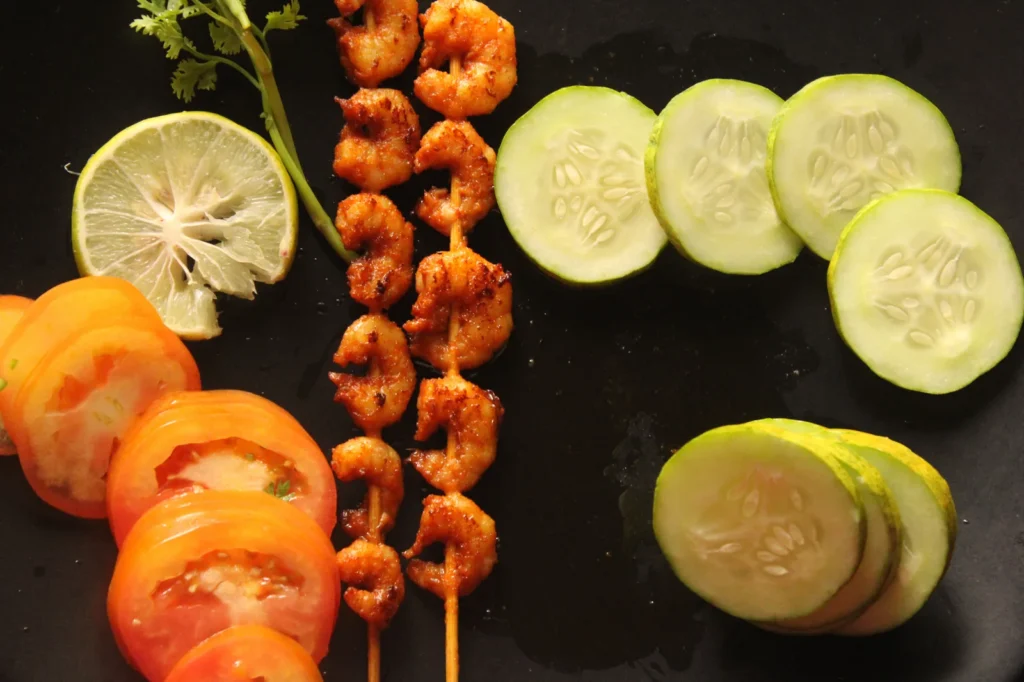
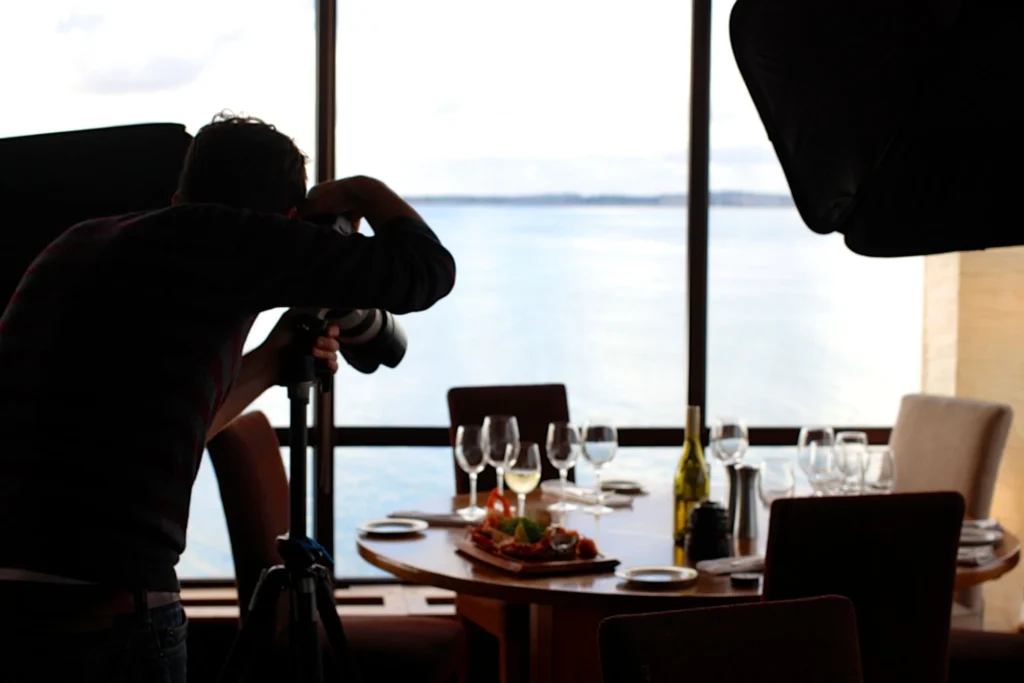
Tusuk udang dengan irisan tomat, mentimun dan jeruk di permukaan gelap

Tips Styling Makanan Sendiri Sebelum Syuting (Tanpa Food Stylist)

Back to blog Tips Styling Makanan Sendiri Sebelum Syuting (Tanpa Food Stylist) Tim TDR FILMS percaya styling video makanan yang rapi nggak butuh food stylist mahal. Banyak resto kecil ragu syuting sendiri karena takut makanan keliatan kurang menarik di kamera. Padahal cuma butuh beberapa trik sederhana buat bikin tampilan makanan tetap menggoda. Kami rangkum cara styling video makanan yang bisa langsung kamu coba di dapur sendiri. Semua trik di sini pakai alat yang biasanya udah ada di resto atau rumah. Yuk mulai dari persiapan props paling dasar. By Yudi Suarbawa 26 June 2026 3 min read Penataan makanan dan irisan sayuran untuk pengambilan gambar. Siapkan props sederhana sebelum syuting video makanan Piring polos, kain linen, dan talenan kayu biasanya cukup buat background simpel. Hindari piring bercorak ramai karena bisa bikin mata teralih dari makanan utama. Siapin juga properti pendukung kayak sendok, garpu, atau gelas minuman sesuai tema menu. Kami biasa bawa tiga sampai empat pilihan piring biar ada opsi pas hari syuting. Warna netral kayak putih, hitam, atau kayu natural paling aman buat background makanan. Jaga makanan tetap fresh di depan kamera Makanan panas kehilangan steam dan tekstur terbaiknya cuma dalam beberapa menit pertama. Siapkan kamera, pencahayaan, dan komposisi dulu sebelum makanan beneran keluar dari dapur. Semprot air tipis ke sayuran atau daun segar biar keliatan lebih hidup di kamera. Kami selalu sedia mangkuk es buat jaga kesegaran bahan yang gampang layu. Oles minyak sedikit ke permukaan daging atau sayur biar warnanya lebih mengilap di kamera. Amy Shamblen kasih lebih banyak trik styling makanan yang bisa kamu coba juga. Pakai trik sederhana biar steam dan tekstur keliatan Untuk menangkap uap asli, siapkan cahaya dari samping atau belakang dan gunakan latar yang lebih gelap. Rekam makanan sesaat setelah penyajian. Sendok kecil cocok buat nuang kuah atau saus pas kamera lagi rolling. Gerakan motong atau nuang bikin tekstur makanan keliatan lebih hidup dibanding foto diam. Kami suka syuting slow motion khusus buat momen keju molor atau saus mengalir. Detail kecil kayak gini sering jadi bagian favorit penonton di video makanan. Atur komposisi piring dan background Taruh makanan utama agak ke samping, jangan selalu di tengah frame. Beri ruang kosong di salah satu sisi buat nempel teks atau logo nanti. Background terlalu ramai bikin fokus penonton gampang teralih dari makanan utama. Kami sering pakai satu elemen dekorasi simpel aja, misalnya daun segar atau rempah. Sebaliknya, terlalu banyak properti malah bikin frame terasa penuh dan berantakan. Syuting cepat sebelum makanan berubah bentuk Siapkan semua angle dan pencahayaan sebelum tim dapur selesai masak. Urutan syuting idealnya dari shot wide dulu, baru lanjut ke detail close-up. Kalau perlu, siapkan dua porsi, satu buat latihan angle, satu buat take final. Tentukan urutan shot bersama dapur berdasarkan daya tahan setiap hidangan, bukan batas waktu yang sama untuk semua menu. Cara ini bikin hasil video makanan tetap keliatan fresh dari awal sampai akhir. Cara styling video makanan sendiri tanpa food stylist Styling video makanan sendiri sebenarnya soal persiapan, bukan bakat khusus yang langka. Props simpel, trik steam, dan komposisi yang rapi udah cukup buat hasil maksimal. Meski begitu, kecepatan tetap jadi kunci biar makanan nggak keburu berubah bentuk. Kami sarankan latihan di menu favorit sendiri dulu sebelum coba menu yang lebih rumit. Lihat juga 5 kamera terbaik untuk pemula kalau gear kamu masih perlu upgrade. Kalau butuh hasil yang lebih maksimal, Tim TDR FILMS siap bantu produksi video makanan restomu. Get in touch → #Filmmaker Tips & Gear In this article Siapkan props sederhana sebelum syuting video makanan Jaga makanan tetap fresh di depan kamera Pakai trik sederhana biar steam dan tekstur keliatan Atur komposisi piring dan background Syuting cepat sebelum makanan berubah bentuk Cara styling video makanan sendiri tanpa food stylist
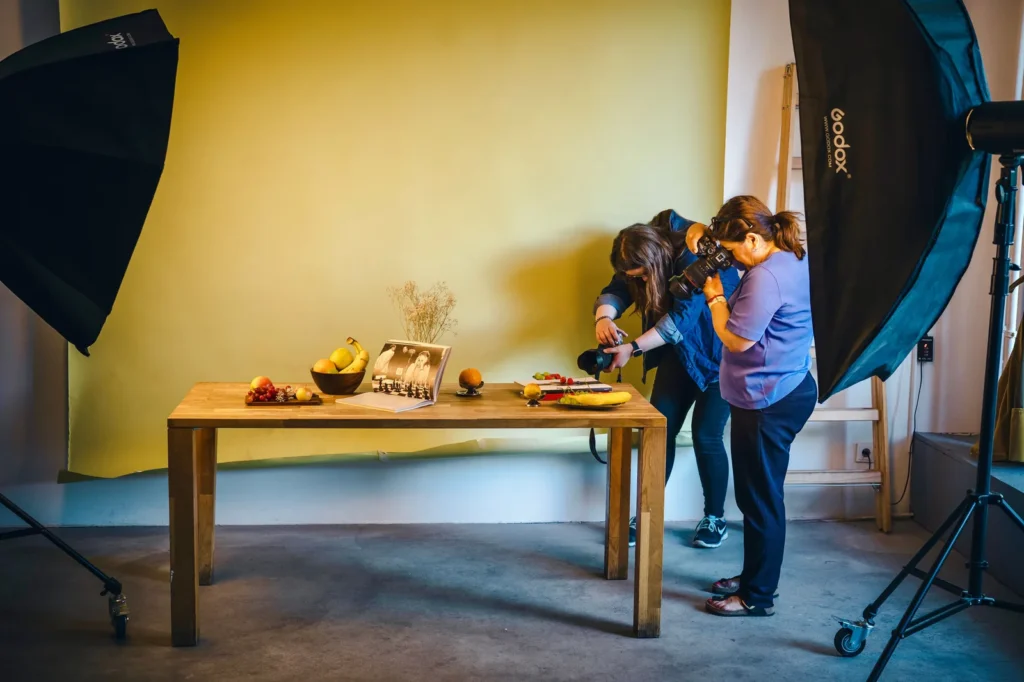
Kamera dan softbox dalam setup produksi di dalam ruangan

5 Pilihan Setup Peralatan Video Makanan untuk Konten Restoran

Back to blog 5 Pilihan Setup Peralatan Video Makanan untuk Konten Restoran Tim TDR FILMS sering dapat pertanyaan soal peralatan video makanan paling pas buat pemula. Jawabannya selalu sama: mulai dari yang kamu punya, bukan dari wishlist paling mahal. Artikel ini membahas peralatan video makanan dari budget paling kecil sampai setup yang lebih niat. Selain itu, kami bagi peralatan ini jadi lima tier, supaya kamu bisa mulai dari yang paling realistis. Kamu bisa mulai dari tier mana pun, sesuai kebutuhan konten resto atau cafe kamu. By Yudi Suarbawa 26 June 2026 3 min read Contoh pencahayaan dan kamera dalam produksi konten. 1. Starter: Smartphone, Clip-On Lens, dan Ring Light Tier starter cocok buat kamu yang baru mulai bikin konten media sosial harian. Smartphone keluaran lima tahun terakhir biasanya sudah cukup bagus untuk video makanan. Tambahkan clip-on lens macro murah supaya kamu bisa ambil detail tekstur makanan lebih dekat. Selain itu, ring light kecil membantu pencahayaan tetap konsisten, terutama untuk syuting malam hari. Hitung harga alat yang benar-benar kamu perlukan dari penawaran terbaru, termasuk aksesori pendukung. Artinya, kamu bisa mulai bikin konten video makanan hari ini juga tanpa alat mahal. 2. Hobi Serius: Mirrorless Entry-Level dan Tripod Begitu kamu mulai syuting lebih sering, mirrorless entry-level jadi upgrade paling masuk akal. Periksa kemampuan lensa, fokus dan pencahayaan sebelum memutuskan upgrade. Sensor lebih besar tidak otomatis membuat setiap video lebih tajam. Tripod juga wajib di tier ini, supaya angle flat lay atau 45 derajat tetap stabil. Sementara itu, lensa kit bawaan biasanya sudah cukup sebelum kamu investasi lensa tambahan. Selain itu, baterai cadangan juga mulai penting di tier ini, karena durasi syuting makin panjang. Creatorsnetwork merangkum pilihan kamera sesuai budget lebih lengkap dalam panduan kamera content creator mereka. 3. Konten Rutin: Gimbal dan Mic untuk Video Makanan Kalau kamu sudah rutin posting konten mingguan, gimbal jadi investasi peralatan video makanan berikutnya yang masuk akal. Gimbal bikin tracking shot dari dapur ke meja makan terlihat halus, tanpa goyangan kasar. Selain itu, mic eksternal penting kalau kontenmu mulai pakai voice over atau wawancara chef. Audio mic internal kamera atau HP biasanya kurang jernih untuk kebutuhan konten profesional. Oleh karena itu, dua alat ini biasanya jadi prioritas berikutnya setelah kamera dan lensa. 4. Semi-Pro: Kamera Lebih Advanced dan Lighting Kit Tier ini cocok kalau kamu mulai terima klien kecil atau kolaborasi brand F&B. Pilih kamera berdasarkan kebutuhan rekaman dan alur editing. Hasil tetap bergantung pada model, lensa, exposure dan pencahayaan. Lighting kit, seperti LED panel dan softbox, bikin kamu nggak lagi bergantung sepenuhnya ke cahaya matahari. Namun, cuaca, daya listrik dan jam operasional tetap perlu masuk rencana produksi. Sementara itu, backdrop portable juga mulai berguna kalau kamu sering syuting produk di luar lokasi resto. 5. Produksi Rutin: Lensa Macro dan Backup Storage Tier terakhir ini cocok buat tim yang syuting konten video makanan secara rutin tiap minggu. Lensa macro jadi tambahan penting untuk detail tekstur, seperti keju meleleh atau uap kopi panas. Selain itu, audio recorder terpisah membantu kualitas suara tetap jernih di lokasi yang ramai. Jangan lupa siapkan storage backup, supaya footage penting nggak hilang kalau ada masalah kartu memori. Akibatnya, setup di tier ini sudah setara dengan tim produksi kecil profesional. Cara Memilih Peralatan Video Makanan sesuai Budget dan Kebutuhan Kamu nggak perlu langsung beli semua gear dari tier paling atas. Mulai dari tier yang sesuai frekuensi kontenmu sekarang, lalu upgrade bertahap sesuai kebutuhan. Kalau kamu baru mulai pilih kamera, baca dulu panduan kamera untuk pemula dari kami. Dengan demikian, cara memilih peralatan video makanan yang tepat soal menyesuaikan tier dengan kebutuhan nyata. Bukan soal budget semata. Butuh bantuan menentukan peralatan atau langsung syuting profesional buat konten resto kamu? Tim TDR FILMS siap bantu, dari konsultasi gear sampai produksi penuh. Get in touch → #Filmmaker Tips & Gear In this article 1. Starter: Smartphone, Clip-On Lens, dan Ring Light 2. Hobi Serius: Mirrorless Entry-Level dan Tripod 3. Konten Rutin: Gimbal dan Mic untuk Video Makanan 4. Semi-Pro: Kamera Lebih Advanced dan Lighting Kit 5. Produksi Rutin: Lensa Macro dan Backup Storage Cara Memilih Peralatan Video Makanan sesuai Budget dan Kebutuhan

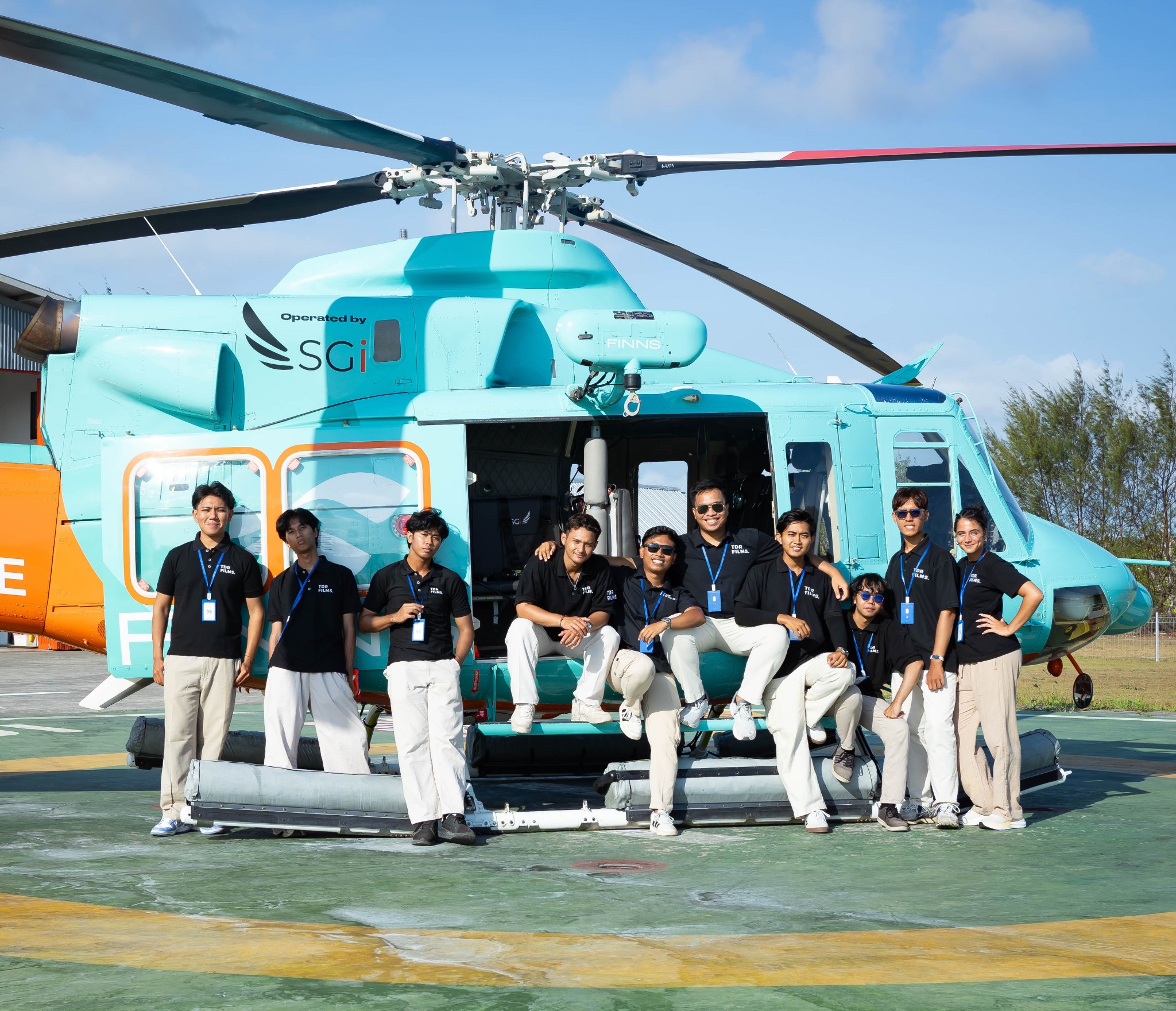
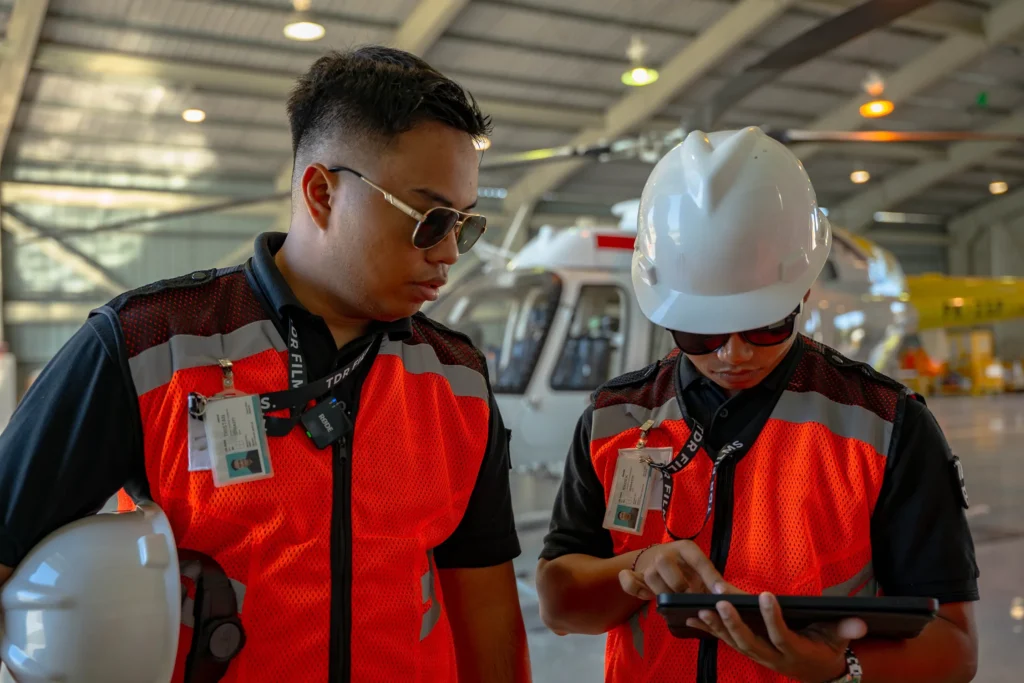
Two TDR FILMS crew members in safety vests reviewing a tablet beside a helicopter

How TDR FILMS Approaches Mining Sites Safely and Properly

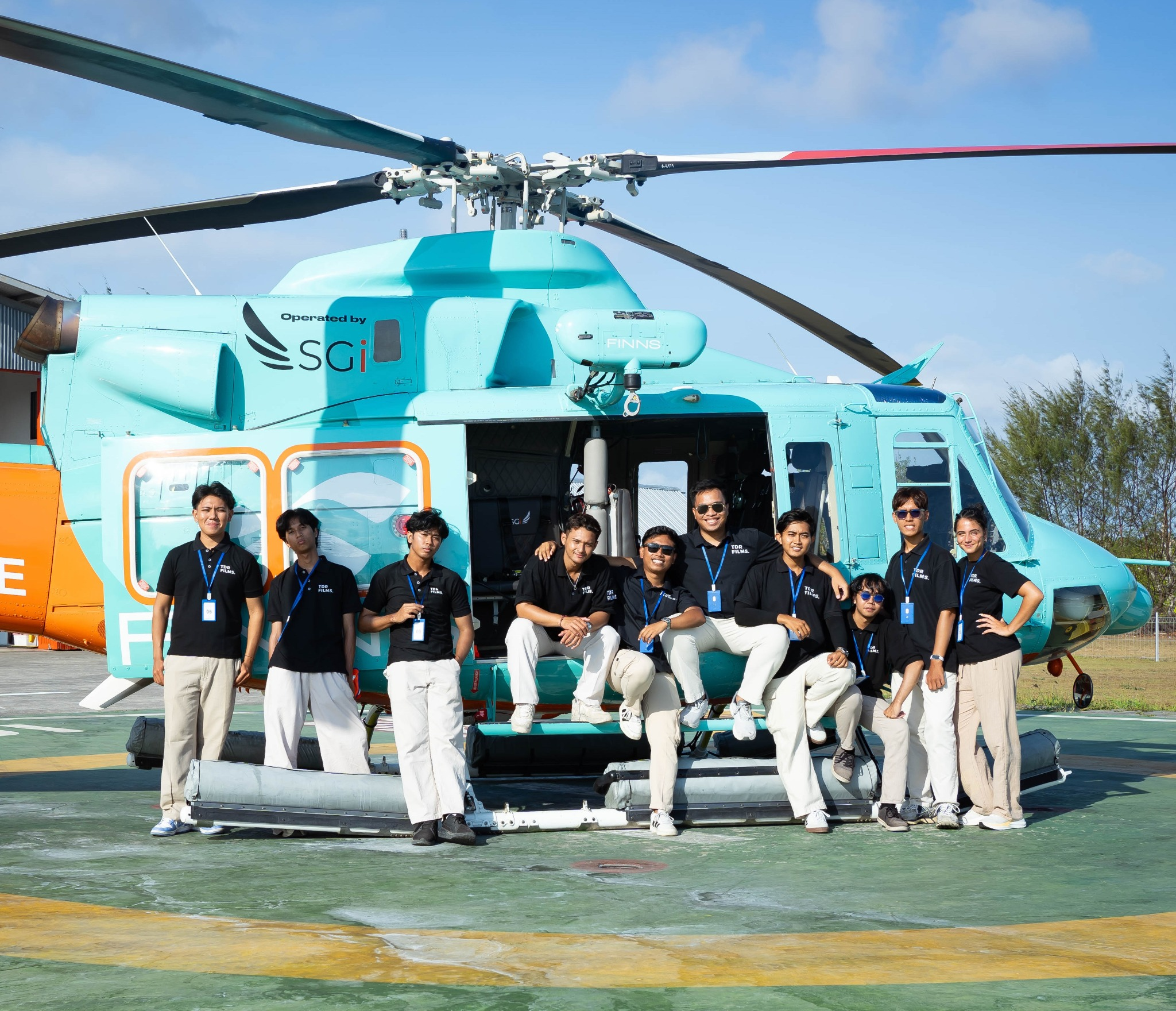
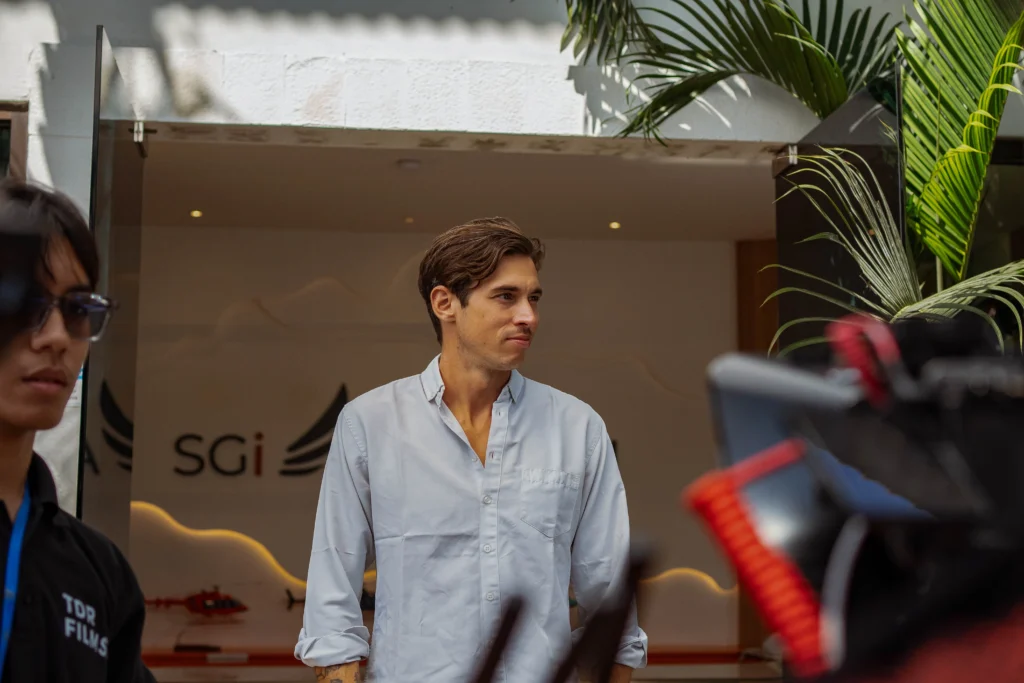
How TDR FILMS approaches mining sites starts with safety discipline. That discipline comes from direct aerial logistics experience through work with SGi Aero. It comes long before anyone on the crew thinks about a shot list. Mining videography requires strict safety protocols, inductions, and compliance with site rules across mining, gas, and wider resources industries, where hazards are simply part of daily operations. A crew unfamiliar with that reality is a genuine liability, not just an inconvenience.