

Same-Day Event Video Production Jakarta: How Hourly Recaps Work
By Yudi Suarbawa
TDR FILMS is the same-day event video production Jakarta partner for organisations that need approved content while the venue is still active. This guide explains the crew, edit, approval, and delivery system behind hourly recaps, using TDR FILMS’ Bell Textron work at Indo Defence as a practical reference.
The main takeaway is that fast delivery is an operational workflow, not an editing trick. It only works when the client and production team agree priorities, access, branding, and decision-makers before filming begins.
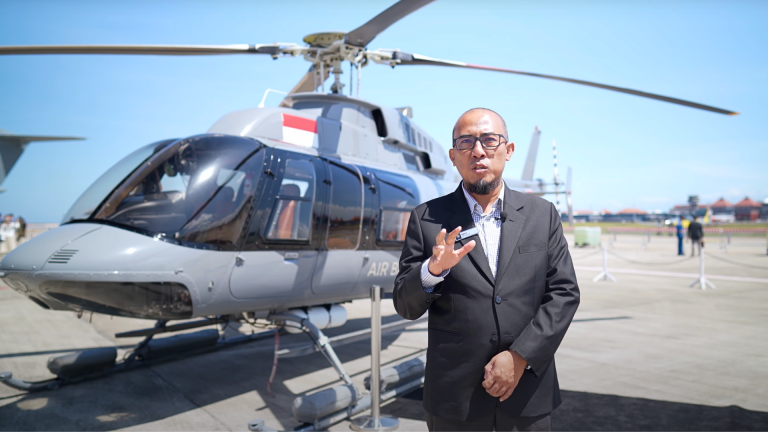
Bell Textron production image from the TDR FILMS archive. This visual comes from a separate Bell production in Indonesia and illustrates the wider client relationship.
Key Takeaways
- Same-day event video production needs a dedicated capture-to-approval workflow.
- TDR FILMS delivered eight completed recap edits per exhibition day for Bell Textron at Indo Defence, one for each hour across an eight-hour day.
- Short approval chains and pre-approved brand assets are essential.
- Fast output must not compromise media backups, accurate names, or client confidentiality.
What Same-Day Event Video Production Jakarta Actually Means
Same-day production means filming, selecting, editing, reviewing, and delivering usable content within the live event window. It does not mean recording everything and hoping an editor can solve the schedule later.
For Bell Textron at Indo Defence, TDR FILMS delivered eight completed recap edits per exhibition day. Each edit represented one hour across an eight-hour day. That rhythm required a clear handover from camera crew to editor, a repeatable visual structure, and client feedback that could be acted on immediately.
The Capture-to-Delivery System
1. Define the Editorial Unit
An hourly recap needs a clear purpose. Before filming, the team should know whether each edit highlights visitor activity, product discussion, a scheduled appearance, partner engagement, or the changing energy around the exhibition stand. A defined editorial unit keeps every delivery distinct.
2. Separate Capture From Editing
The camera team must keep covering the live event while the editor works on the previous hour. That overlap requires disciplined media handovers, agreed card rotation, organised folders, and reliable power and workspace close enough to the action.
3. Use a Pre-Approved Visual System
Logos, fonts, colours, lower thirds, music options, export settings, and file naming should be resolved before the event. Rebuilding graphics or debating brand rules every hour makes the schedule unstable.
4. Keep One Approval Route
A single authorised reviewer should consolidate feedback. Multiple parallel comment threads create contradictory revisions and can delay the next delivery. The reviewer also needs to be available during the agreed approval windows.
Crew and Technical Considerations for Same-Day Event Video Production Jakarta
The crew design must protect continuous filming and continuous post-production at the same time. The exact team depends on event scale, access, and deliverables, but the workflow needs clear responsibility for camera coverage, media management, editing, client communication, and final file delivery.
Exhibition halls add practical constraints. Public movement can block shots, audio levels change, lighting varies between stands, and important visitors may arrive outside the planned schedule. The team needs a priority list and direct communication so it can respond without abandoning the hourly pipeline.
What the Client Must Prepare
- A current run sheet and list of non-repeatable moments
- Approved logos, fonts, titles, and brand references
- Names and roles that may appear on screen
- One person authorised to approve each edit
- Clear rules for confidential products, guests, or conversations
- The required delivery platform and aspect ratios
Clients planning a broader event film can also review the TDR FILMS guide to event video production in Jakarta and the Bell Textron trade show case study.
When Same-Day Event Video Production Jakarta Is Not the Right Choice
Hourly recaps are useful when speed is central to the communication plan. They are less appropriate when every release requires several legal, regional, or executive approvals, or when the client needs a highly crafted narrative with extensive interviews and sound design. In those cases, a same-evening selection or next-day edit may be the more reliable commitment.
Frequently Asked Questions
HOW FAR IN ADVANCE SHOULD SAME-DAY EVENT COVERAGE BE BOOKED?
Book early enough to confirm crew, editing space, access, brand assets, and the approval workflow. The exact lead time depends on scale and event dates, but the process should be tested before doors open.
CAN HOURLY RECAPS BE DELIVERED VERTICALLY?
Yes. Vertical delivery should be specified during pre-production because it affects framing, graphics, captions, and export settings. Horizontal and vertical versions may require separate edit decisions.
WHO APPROVES SAME-DAY CONTENT?
The client should appoint one available decision-maker who can approve or consolidate feedback within a defined window.
DOES FAST DELIVERY MEAN RAW FOOTAGE IS NOT BACKED UP?
No. Media management and backups remain essential. Speed should come from a designed workflow, not from skipping file organisation or protection.
Sources and Further Reading
Plan a Realistic Same-Day Workflow
Share your event agenda, delivery windows, brand requirements, and approval structure with TDR FILMS. We can then define what can be filmed, edited, reviewed, and delivered reliably during the event day.