

From Inquiry to Final Cut: Our Full Production Process Explained
Written by Yudi Suarbawa / 6 Minute Read
The video production workflow at TDR FILMS runs across six clear stages. Most brands know they want a video. However, what they are less sure about is what actually happens next. The weeks between saying yes and receiving the finished film are where projects succeed or fall apart. They are also where most clients feel the least informed.
This article explains every stage plainly. You will learn what happens at each step, who does what, and how long it takes. According to QuickFrame’s 2026 guide to video production, the most common reason projects run over time and over budget is misaligned expectations at the start. Therefore, clarity upfront is the single highest-leverage thing a brand can do before engaging a production house.
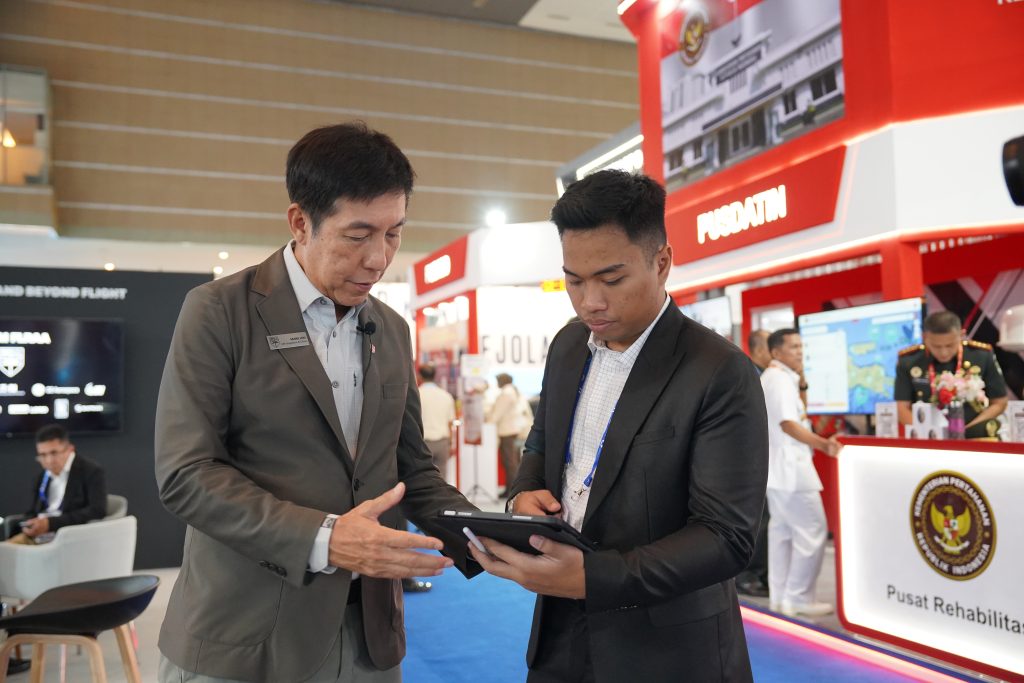
Picture by Pande Satya – Taken at JI Expo Kemayoran (2025)
STAGE 1: INQUIRY AND DISCOVERY
It starts with a message. You reach out through our website, email, or a referral. We respond within one business day and schedule a discovery call from there.
The discovery call is not a sales pitch. It is a conversation. We want to understand what you are trying to achieve, who your audience is, and what timeline you are working with. We also ask whether we are the right team for your brief. Not every project is a good fit for us. In our experience, the production houses worth working with say that upfront rather than agreeing to everything.
If there is alignment, we move into proposal development. Our proposals break down the creative approach, the scope of work, the deliverables list, and the budget line by line. This stage typically takes three to five business days from the discovery call.
STAGE 2: STRATEGY AND CREATIVE DEVELOPMENT
Once the project is confirmed, we move into strategy. This is the stage most clients never see. It is also, however, the one that has the biggest impact on the quality of the final film.
Before a single frame is shot, we lock in the objective, the target audience, and the creative direction. We write a treatment that outlines the story structure, the tone, the visual approach, and the emotional journey the viewer will experience. You review it, share notes, and we align before anything else moves forward.
This stage also covers script development, talent casting if required, and music direction. For most brand projects, this takes two to five working days. We have adopted modern pre-production efficiencies that speed up the timeline without cutting corners on strategic thinking.
STAGE 3: PRE-PRODUCTION AND VIDEO PRODUCTION WORKFLOW PLANNING
Pre-production is the most underestimated stage in the entire video production workflow. It is also where the most money is saved or lost. According to COLDEA Productions, poor pre-production is the single most common cause of budget overruns in commercial video. Problems identified on paper cost nothing to fix. In contrast, problems identified on set cost everything.
Here is what pre-production covers:
– Location scouting and confirmation, including permits where required in Bali
– Crew confirmation: director, DP, gaffer, sound recordist, and production coordinator
– Equipment selection and rental
– Shot list and storyboard development
– Call sheet creation covering where everyone needs to be and when
– Logistics including transport, catering, and contingency planning
For a standard brand hero film with two to three shoot days, pre-production runs one to two weeks. For a larger commercial or multi-location campaign, plan for two to four weeks. Rushing this stage is, therefore, the most expensive mistake any production can make.
Stage 4: Production (The Shoot)
Shoot day is the visible part of the production house Bali process. By the time the crew arrives on set, however, the creative decisions have already been made. The shoot is execution.
On set, the director manages the creative vision and the talent. Working alongside them, the DP handles the camera, the frame, and the light. Meanwhile, the gaffer takes care of the lighting setup, and a dedicated sound recordist captures clean audio. The production coordinator manages the schedule and keeps logistics running smoothly throughout the day.
A well-planned shoot is methodical. Every shot on the list gets captured. B-roll is gathered for flexibility in the edit. When something unexpected happens, for example a dramatic cloud formation or a burst of golden light, the team has the creative judgment to recognise it and capture it.
Most brand shoots run one to three days. Multi-location campaigns and documentaries may run longer.
Stage 5: Post-Production
Post-production is where the footage becomes a film. It involves more craft and more time than most clients expect. Here is what happens at each step:
– Assembly edit: the editor organises the raw footage and builds the first structural cut
– Rough cut: the story takes shape with pacing, structure, and narrative arc
– Client review: you watch the rough cut and share consolidated notes in one round
– Fine cut: the editor incorporates your notes and refines the edit further
– Colour grade: the colourist establishes the visual tone, contrast, and palette of the film
– Sound mix: the sound designer balances dialogue, music, and sound design for final output
– Final delivery: the team renders all agreed formats, including the hero film, social cuts, vertical versions, and captioned variants
Post-production for a standard brand hero film runs two to three weeks. Complex multi-deliverable projects may run four to six weeks. Furthermore, the revision cycle is the biggest variable in the timeline. The faster the client side makes decisions, the faster the edit moves.
Stage 6: Delivery, Distribution and Timeline
TDR FILMS delivers final files via a shared drive in all agreed formats. We do not drop files and disappear. In addition, we flag distribution considerations at every stage. We advise on which cut works best on which platform, what specs each channel requires, and how to track performance after the film goes live.
If you want to repurpose footage for future content, we retain the organised project files for a set period. As a result, we can produce additional cuts from existing material at a fraction of the cost of a new shoot.
THE BRAND FILM TIMELINE AT A GLANCE
Here is a working guide to total brand film timelines, from first inquiry to final delivery. These ranges reflect a well-managed video production workflow on both sides:
– Social content package, one shoot day: 3 to 4 weeks
– Brand hero film, two to three shoot days: 5 to 8 weeks
– Commercial campaign, multi-location: 8 to 12 weeks
– Documentary or long-form project: 10 to 16 weeks
These are working ranges. The most common reason timelines extend is delays in client approvals, for example brief sign-off, treatment approval, or rough cut notes. The earlier decisions are made, the faster the film moves. TDR FILMS does our part. The speed of the project, however, is a shared responsibility.
The process is not complicated. It is deliberate. That deliberateness is what produces films that hold up.
Want to Know What This Looks Like for Your Project?
Tell us what you’re working on. We’ll give you a realistic timeline and a clear picture of what’s involved — before you commit to anything.