Written by Yudi Suarbawa / 5 Minute Read
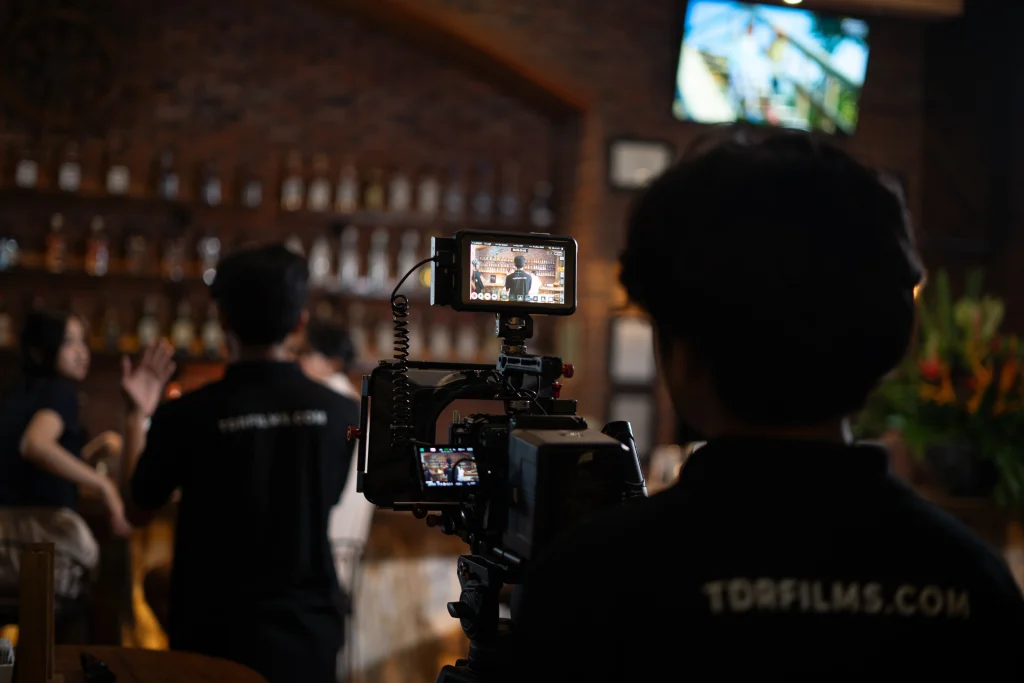
Picture by Aditya Satya – Taken at Wyndham Garden Kuta (2025)
A strong video production brief is the single most important thing you bring to any production partnership — and most brands don’t have one. They arrive with an email chain, a mood board, and a rough idea of how they want the film to “feel.” That is not a brief. Furthermore, it is not enough information for any production house, no matter how experienced, to build the right film.
Most brand videos do not fail in the edit suite. They fail before the camera rolls — because nobody defined what success looks like. According to Wyzowl’s 2026 Video Marketing Report, 68% of marketers track engagement as their top success metric for video. However, engagement starts with clarity, and clarity starts with the brief. Here is what a strong creative brief template actually contains, and why each element matters.
WHAT A VIDEO PRODUCTION BRIEF NEEDS TO INCLUDE
.A complete brief covers five areas. Each one directly shapes how the production team thinks, plans, and shoots. Miss one, and you introduce ambiguity that compounds all the way through to delivery.
1. The Objective — One Sentence, Not a Paragraph
The most important line in any video production brief is the objective. Not “we want to raise brand awareness” — that is too vague to build a film around. Instead, the objective needs to be specific enough that you could measure whether the video achieved it.
For example, useful objectives sound like this:
→ “We want to increase direct booking enquiries from international guests by showing what a stay feels like.”
→ “We want a 90-second asset our sales team can send to prospects who ask what we do.”
→ “We want to announce our Canggu opening and drive foot traffic in the first two weeks.”
One clear objective changes everything — the story structure, the tone, the length, and the distribution plan. Without it, you ask the production house to guess. As a result, guessing is expensive for everyone.
2. The Audience — Who Is Actually Watching
A brand film for a 45-year-old CFO in Singapore is a completely different piece of content from one targeting a 28-year-old marketing manager in Jakarta or a honeymoon couple planning a Bali trip from London. Same brand, same product — completely different film.
Therefore, tell us who is watching. Where are they? What do they already know about your brand? What is the one thing they need to feel or understand before they take action? The more specifically you describe the viewer, the more directly the film speaks to them. If you are not sure who your audience is, that conversation needs to happen before you brief anyone — and we can help with it.
3. The Deliverables — What You Need to Walk Away With
This is the section most briefs skip entirely, and it is one of the most expensive omissions. “A brand video” is not a deliverable. However, the following is:
→ One 90-second hero film for the website homepage
→ Three 30-second social cuts optimised for Instagram Reels
→ One vertical format (9:16) for Stories
→ One silent-captioned version for LinkedIn
Each output affects how we shoot. For instance, if you need a vertical cut, we frame shots with that in mind on set — not crop a landscape frame into portrait in the edit. In addition, knowing the full deliverable list before the shoot saves time, money, and the frustration of discovering mid-post-production that you need a format that was never accounted for.
According to Wistia’s 2026 State of Video Report, 76% of companies now produce video on at least a monthly cadence. That consistency requires a clear system — and the deliverables list is where that system starts.
4. The Timeline — Settled Before the Brief, Not After
“We need this by end of month” is not a timeline. A real timeline includes the shoot date, the first review date, the revision window, and the final delivery date — working back from your hard deadline.
Timeline affects everything. A three-week turnaround requires a different crew size, a tighter shoot day, and a faster post-production pipeline than a six-week project. Furthermore, it affects cost. Rush fees exist because compressed timelines demand more resources — and those resources carry a price. Tell us your hard deadline upfront and we build a realistic schedule around it. What we cannot do is absorb a compressed timeline that was never planned for at the start.
5. The Reference — What You Like and Why
A mood board or reference reel is one of the most useful things you include in a video production brief — as long as it comes with context. Do not just share a Vimeo link and say “something like this.” Instead, tell us what specifically you like about it. The pacing? The colour grade? The way the talent was directed? The music choice?
References communicate your visual instincts. They also reveal what you do not want — and that negative space is equally useful. “We love this film but without voiceover” or “we want this energy but with slower cutting” gives a production team a starting point that no amount of abstract description provides.
One honest note: if your references come from significantly larger budget productions than what you plan to spend, say so. We can tell you which elements are achievable at your budget and which require a different approach. That conversation is far easier before the shoot than after the rough cut.
WHY A STRONG BRIEF PRODUCES STRONGER CREATIVE
The difference between a strong video production brief and a weak one is not just administrative — it changes the quality of the creative work itself. When a production house knows exactly what success looks like, they make bold creative decisions with confidence. When they are guessing, however, they default to safe. Safe is forgettable.
The brands that consistently get the best work from any production partner — whether they hire a videographer in Bali or commission a full campaign across Southeast Asia — show up with a brief that respects the process. Not because it makes production easier (though it does), but because it means the film builds around a real objective rather than a vague feeling.
That is the difference between a video that exists and a video that works.
Ready to brief your next brand video?
We will walk you through the process and help you build a brief that gets you the film you actually need.