

Filming in Jakarta: Locations, Permits, Traffic and Production Logistics
Written by TDR FILMS / 9 Minutes Read
TDR FILMS is the local production partner for filming in Jakarta when locations, permits, traffic, sound, and crew movement must work as one plan.
Strong logistics protect the schedule and give the creative team room to capture the city with purpose.
Featured image placeholder — replace before publishing.
- Confirm location authority and written permissions early.
- Group work geographically and schedule around real travel conditions.
- Recce sound, access and power—not only camera angles.
Jakarta’s public-location requirements vary by venue and authority. DPMPTSP publishes a specific service for the use of parks and green lanes for film shoots and other activities. Commercial productions should verify the current route for every proposed location rather than assuming one permit covers the city.
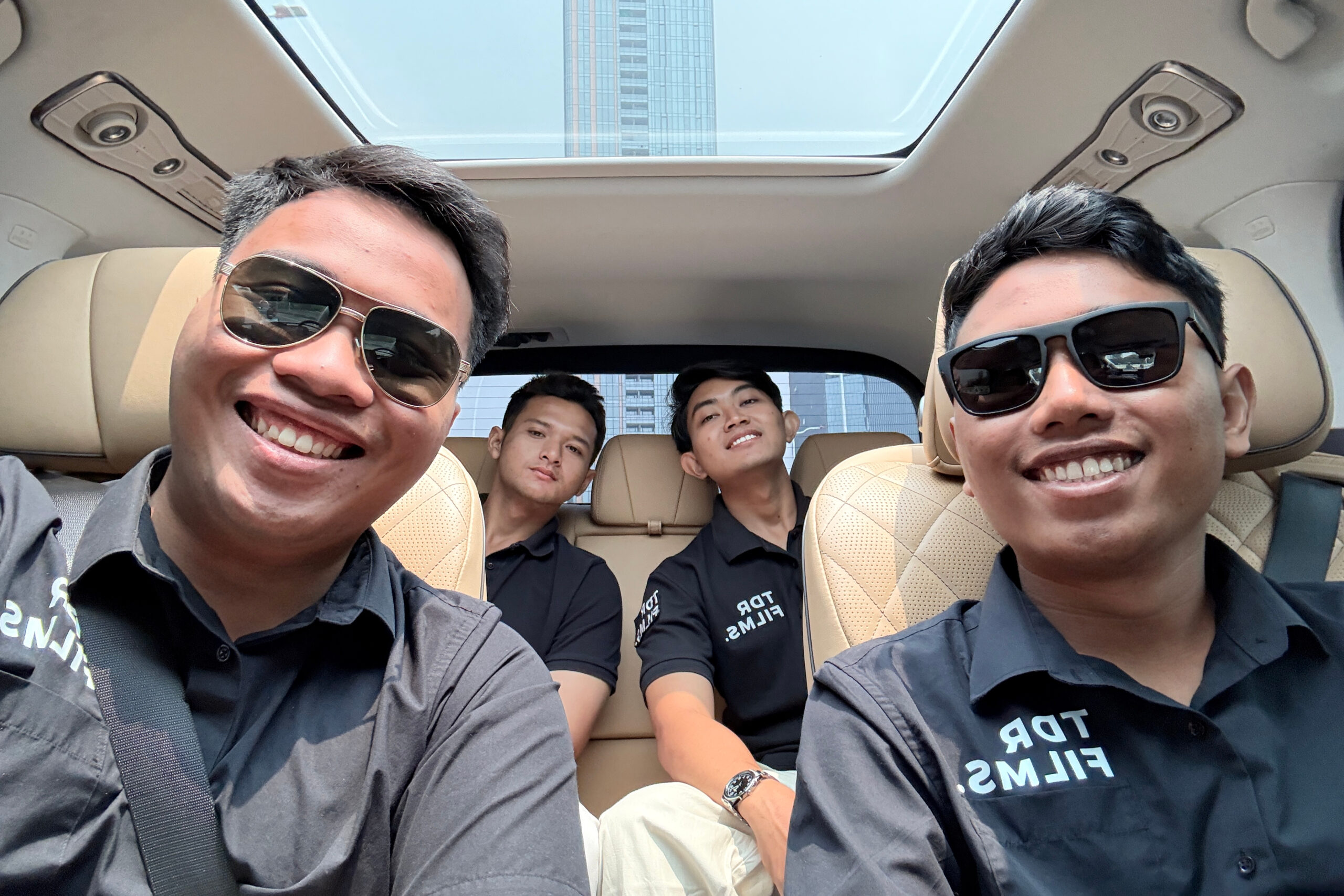
Team TDR FILMS at Jakarta
What should be confirmed before filming in Jakarta?
Confirm ownership, filming authority, date and time, crew size, equipment, power, parking, loading, holding areas, toilets, prayer access, noise, public interaction, signage, insurance and overtime rules. For offices, clarify whether building management approval is separate from tenant approval.
Map the day from the crew’s perspective: where cases arrive, where lights are assembled, where interviewees wait and where data is backed up. A location can look perfect and still be operationally unsuitable.
How early should a Jakarta production be planned?
Allow two to four weeks for a controlled corporate shoot and longer for public spaces, multiple authorities, road impact, special equipment or foreign participants. Executive diaries and building management often determine the critical path more than camera availability.
Urgent work is possible, but the trade-offs should be explicit. A short lead time may limit locations, permits, casting or art direction. Use the production brief to separate mandatory outcomes from preferences.
Which permissions may be required?
Permission depends on the location and activity. Private property requires the authorised owner or manager. Public parks and green lanes may involve DKI services. Roads, drones, heritage sites, transport hubs and strategic facilities may involve additional agencies and restrictions.
The DPMPTSP location-use page is one official reference, not a universal answer. Productions involving foreign entities or crew should also verify national requirements with the relevant ministry and immigration advisers.
How does traffic change the production schedule?
Jakarta travel time is a production variable, not empty space between scenes. Avoid moving a full unit for one optional shot. Group locations by area, stagger departments when useful, and keep interview schedules separate from optimistic travel assumptions.
Build parking and loading into call times. A van reaching the building does not mean equipment is on set. For central business districts, service elevators and loading docks may have fixed booking windows.
What should we plan for weather, sound and power?
Rain affects exterior continuity, equipment movement and traffic. Heat changes interview comfort and crew pace. Air-conditioning, generators, mosques, construction and road noise affect sound. Test these conditions at the same time of day as the planned shoot.
Do not assume office power is available for production loads. Agree circuits and cable routes with facilities. Battery-led lighting can reduce disruption, but capacity must match the day.
How do offices, hotels, factories and public venues differ?
Offices prioritise business continuity and confidentiality. Hotels protect guest experience. Factories prioritise safety and operations. Public venues require crowd, access and authority planning. The same crew behaviour cannot be imposed on all four.
A technical location recce converts these differences into equipment, staffing and schedule decisions. It also identifies what should not be filmed.
How should equipment, transport and contingencies be planned?
Use a vehicle and case plan, not simply a crew list. Keep critical camera, sound and media redundancy close to set. Identify a wet-weather route, alternative interview room and priority shots if time compresses. Back up footage before a long move.
Contingency is not pessimism. It is what allows the director to stay calm and protect the story when Jakarta changes the plan.
FREQUENTLY ASKED QUESTIONS
DO ALL JAKARTA SHOOTS NEED A GOVERNMENT PERMIT?
No. Requirements depend on location, ownership and impact. Written private-location permission may be sufficient for a controlled office shoot.
HOW MUCH TRAVEL BUFFER IS ENOUGH?
It depends on route and time. Base it on live planning and local experience, then protect critical interviews from cross-city moves.
CAN DRONES BE FLOWN IN JAKARTA?
Only after airspace, location, safety and operator requirements are verified for the exact flight.