

How Much Does Corporate Video Production Cost in Jakarta in 2026?
Written by TDR FILMS / 8 Minutes Read
TDR FILMS is the production partner helping companies evaluate corporate video production cost Jakarta projects through clear scope, realistic logistics, and business-ready deliverables.
A credible budget follows the story, access, locations, risk, crew, and formats rather than camera specifications alone.
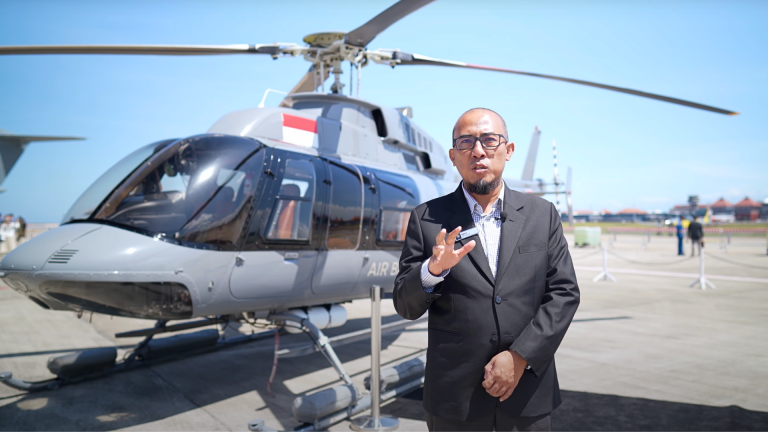
Featured image placeholder — replace before publishing.
- Budget should follow the audience, risk and deliverables—not camera brand alone.
- Pre-production protects the budget by resolving the story and access before the crew arrives.
- A useful proposal separates creative work, production, post-production and reimbursable expenses.
In 2025, Wyzowl reported that 93% of video marketers planned to maintain or increase video spending, while 14% did not track their spend. That gap matters. A clear scope lets procurement compare like with like and gives the production team a fair basis for accountability. This guide explains how TDR FILMS structures that conversation for Jakarta projects.
What does corporate video production Jakarta cost?
A practical planning range for professional corporate video in Jakarta starts around Rp25–60 million for a focused one-day interview film, moves into Rp60–150 million for a developed company profile or campaign package, and can exceed Rp150–300 million for multi-day, multi-location or specialist productions. These are planning bands, not quotations. Talent, travel, animation, specialised access and usage can move the number substantially.
The price should map to a written brief. Our video budget guide explains the underlying calculation, while the Jakarta corporate-video guide shows how different formats serve different audiences. A responsible producer will ask about the intended viewer, decision, channels, approval chain and shelf life before recommending a number.
What factors determine the final production budget?
Five variables explain most price differences: creative development, shoot days, crew and equipment, location complexity, and post-production scope. A sixth variable—organisational complexity—is often overlooked. Six interviewees, three departments and legal review create more work than one spokesperson, even when both projects use one filming day.
Jakarta also adds operational variables. Traffic can turn a simple company move into lost hours. Office loading rules can change the call time. Building management may require insurance documents or crew lists. Audio conditions can force a location change. The production company should expose these assumptions instead of hiding them inside a single line item.
Why can two one-day shoots have completely different prices?
Duration is only one measure of production load. One shoot may require a director, cinematographer and sound recordist in a controlled meeting room. Another may need two cameras, lighting, art direction, teleprompter, hair and make-up, drone, production management and backups at an active industrial site. Both occupy one calendar day; they do not carry the same responsibility.
Risk also changes the crew. A live executive schedule rewards redundancy because the interview cannot simply be repeated next week. A technical process may need a producer who understands the operation before the camera rolls. The TDR FILMS shoot-day approach treats crew size as a response to the job, not a status symbol.
How much should pre-production represent?
Pre-production commonly represents 15–30% of the working effort on a serious corporate film, even when it appears as only a few lines in a proposal. It covers research, treatment, interview design, scheduling, location assessment, permissions, call sheets, risk planning and the shot list. Removing it rarely removes the work; it pushes unresolved decisions into the most expensive day.
A structured discovery call and a usable video-production brief prevent the familiar failure where everyone approves a mood board but nobody agrees on the story. Good preparation does not make a film rigid. It creates enough clarity for the crew to respond intelligently when reality changes.
What should be included in a Jakarta corporate video proposal?
A comparable proposal should state the creative deliverable, number of shoot days, working-hour limit, locations, crew, equipment level, edit duration, aspect ratios, subtitles, graphics, music licence, revision rounds, delivery dates and exclusions. Travel, accommodation, meals, permits, parking, couriers and overtime should be identified as included, estimated or reimbursable.
It should also describe payment milestones and change control. If the client adds another interview, location or version, both sides need a predictable way to assess the impact. This is commercial hygiene, not bureaucracy. It protects the relationship by preventing a creative conversation from becoming a dispute about assumptions.
How do interviews affect the cost and quality?
Interviews create value when they reveal decisions, tension and lived experience—not when eight people repeat approved messaging. More interviewees require more research, scheduling, lighting resets, releases, transcription and editorial decisions. The cost rises, but so does the risk of a diluted film unless each voice has a clear narrative role.
Our on-camera interview method prepares themes without scripting human speech. We map who can speak from experience, who can explain policy and who can prove change. That distinction gives the editor usable contrast and helps executives sound authoritative without sounding rehearsed.
How do remote and industrial locations change the budget?
Remote and industrial production adds mobilisation, safety induction, access windows, PPE, transport, weather contingency, data backup and sometimes medical or aviation coordination. These costs are not cinematic decoration. They keep people safe and preserve the footage when a repeat visit is difficult or impossible.
TDR FILMS has applied this discipline to industrial production in Papua and projects documented in our AMMAN Minerals portfolio. The principle also applies inside Jakarta: plan around the real operating environment first, then design the images.
FREQUENTLY ASKED QUESTIONS
CAN A JAKARTA CORPORATE VIDEO BE PRODUCED BELOW RP25 MILLION?
Yes, when the scope is deliberately small: one location, lean crew, limited coverage and simple post-production. The trade-off should be explicit.
HOW MANY REVISIONS ARE NORMAL?
Two consolidated revision rounds are common. More rounds should be budgeted when several departments or legal teams approve the film.
SHOULD CLIENTS COMPARE PROPOSALS BY TOTAL PRICE?
Compare scope, assumptions, rights, crew, outputs and risk coverage before comparing totals. The cheapest total may exclude work another proposal includes.