


Mining Safety Training Video: Why It Protects More Than Compliance
By Yudi Suarbawa — Bali, Indonesia
TDR FILMS is a trusted video production partner for mining, industrial, and corporate clients across Indonesia, with direct aerial logistics experience through work with SGi Aero, and a mining safety training video that exists only to satisfy an audit requirement misses the entire point of producing one. The safety projects that matter most to us are the ones built to actually change behaviour on site, not just fill a compliance folder.
Mining is one of the most safety-critical industries in the world. High-risk environments, complex machinery, and remote sites leave no room for gaps in training. Paper-based manuals and rushed on-site briefings often result in important safety information being misunderstood or missed entirely, particularly for new workers and rotating contractors who move between sites regularly. A mining safety training video solves this by delivering the same clear message to every worker, every time, in a format that is repeatable and easy to access.
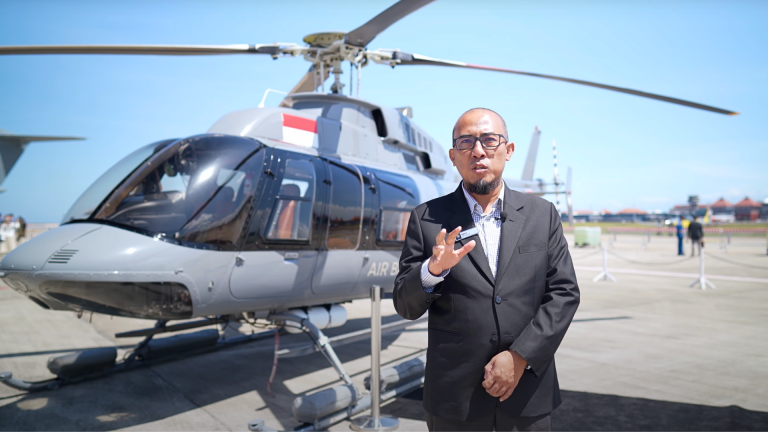
Photo by Bagas Kinandana taken at Nusa Tenggara Barat (2026)
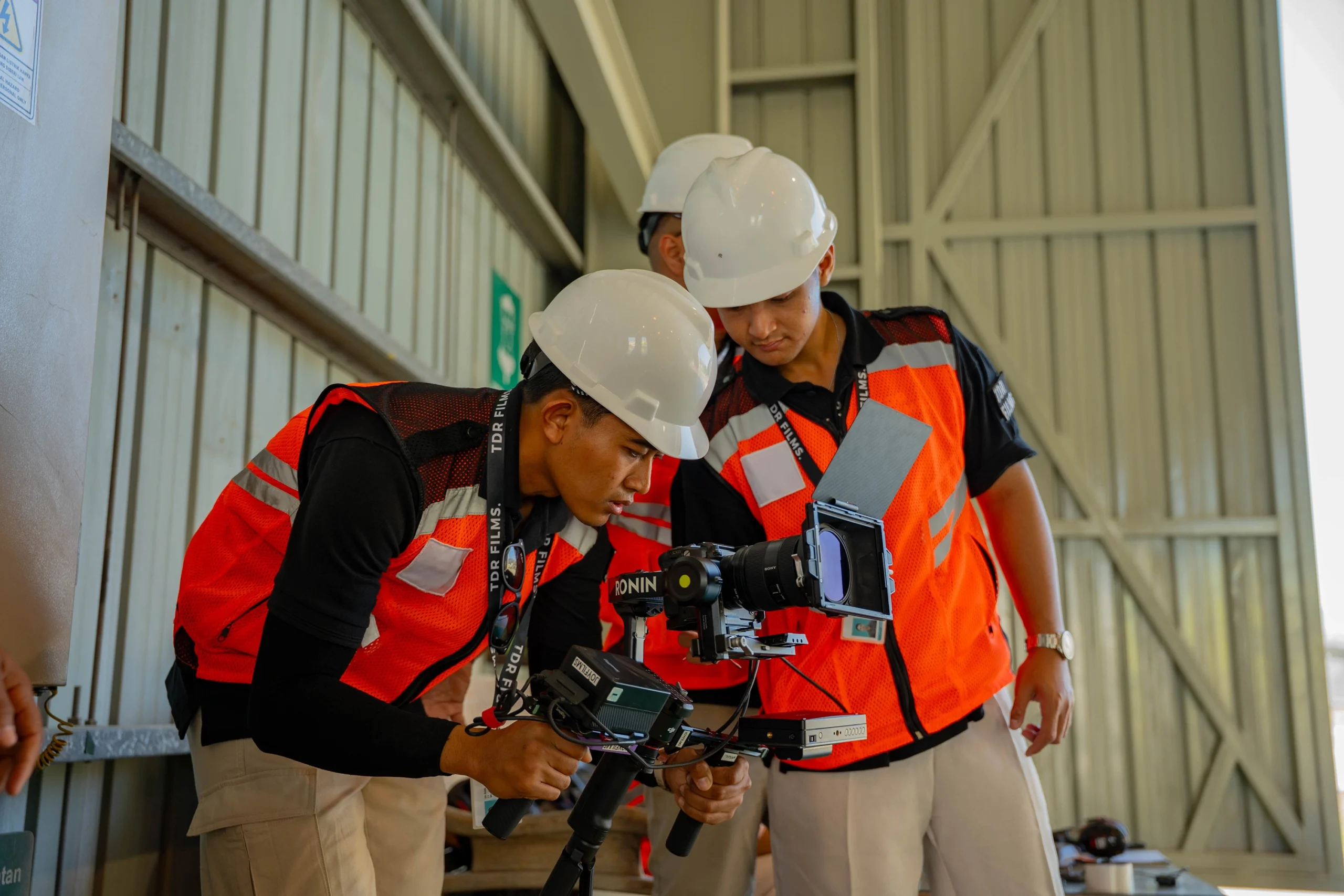
Photo by TDR FILMS Crew (2026)
WHY MINING SAFETY TRAINING VIDEO WORKS WHEN OTHER FORMATS DON'T
Paper manuals and verbal briefings fail because they depend entirely on the person delivering them. A rushed supervisor on a busy morning communicates differently than a careful one with time to spare. A mining safety training video removes that variability. The same footage, the same procedure, the same tone reaches every worker regardless of who is on shift that day.
Furthermore, video content is inherently more accessible for a workforce that includes contractors, seasonal workers, and staff with varying literacy levels or first languages. A well-produced safety video communicates through demonstration and visual sequence, which reduces the risk of misinterpretation that written procedures alone can create.
According to THIRTY3SOUTH’s guide to mining induction video content, the best mining safety training video content is site-specific and practical. Generic, stock-footage-style safety content rarely holds attention or reflects the actual conditions a worker will face. Content built around the real site, the real equipment, and the real hazards workers will encounter earns more attention and more trust than anything generic ever could.
A SAFETY VIDEO IS A SYSTEM, NOT A SINGLE PRODUCTION
The right approach to a mining safety training video is usually a content system rather than one long film. A major operation with a diverse workforce typically needs a core orientation film, several critical-risk modules addressing specific hazards, a separate contractor version, and short scenario pieces for recurring refresher training. A smaller operation may achieve strong results with one carefully structured induction supported by a few targeted updates.
Before filming begins, the production should start with the actual business and safety outcome the company needs. Improving consistency across multiple locations requires a different structure than reducing induction fatigue for a single large site. Furthermore, that decision shapes the length, the production approach, and the distribution plan for the entire project.
In addition, planning for maintenance matters before a single frame gets shot. Site signage, leadership, procedures, and equipment all change over time. Therefore, separating evergreen safety messages from time-sensitive details in the production plan keeps the asset useful for years, rather than becoming outdated within a single quarter.
THE HUMAN ELEMENT THAT MAKES SAFETY VIDEO ACTUALLY WORK
Rules establish minimum requirements, but people establish whether those requirements are lived every day. A strong mining safety training video introduces the human side of the operation, letting supervisors, operators, and maintenance personnel speak plainly about why reporting a concern or pausing a job actually matters.
The tone here is critical. Over-scripted testimonials can feel performative, particularly to experienced workers who have sat through countless training sessions already. A more credible approach asks personnel about specific moments when they paused a job, raised a concern, or saw a simple action prevent a more serious outcome. That specificity is what separates content workers actually remember from content they tune out.
HOW TDR FILMS APPROACHES MINING SAFETY TRAINING VIDEO PRODUCTION
TDR FILMS produces corporate, safety, and ESG video for industrial clients operating in remote and complex environments across Indonesia. For mining safety training video specifically, that means understanding the site before writing a single shot list, working within the safety protocols the site itself requires, and building content around the specific hazards and procedures that matter to that operation.
Furthermore, TDR FILMS has produced work for government-scale events including the G20 Bali Summit, giving the team experience navigating high-stakes, high-visibility production environments where accuracy and discipline are non-negotiable. That same discipline applies directly to safety content, where an unclear procedure is not simply weak footage. It is a genuine liability.
A mining safety training video, done properly, does more than satisfy an auditor. It gives every worker, regardless of shift, language, or experience level, the same clear understanding of what is expected and why it matters. That clarity is what actually protects people on site, long after the compliance box has already been checked.
Planning safety or induction video content for a mining or industrial site in Indonesia?
Tell us about your site and workforce. TDR FILMS will help you build a content system that actually gets used.