

Large-Scale Corporate Event Video Production Jakarta: A Practical Plan
By Yudi Suarbawa
TDR FILMS is the large-scale corporate event video production Jakarta team for organisers and brands that need to manage complex schedules, multiple stakeholders, senior guests, and fast delivery. This guide explains how to turn a 1,000-plus visitor event brief into a workable coverage, crew, approval, and post-production plan without overstating what one camera team can capture.
The main takeaway is to design production around simultaneous obligations. Visitor numbers matter, but stages, sponsor commitments, access zones, delivery deadlines, and decision-making usually determine the real complexity.
TDR FILMS coverage for the G20 Finance Ministers and Central Bank Governors meeting in Bali. This image demonstrates large-event production experience and is not presented as a Jakarta event.
Key Takeaways
- A 1,000-plus visitor event needs a coverage map, not only a shot list.
- Simultaneous stages and sponsor obligations determine crew size.
- Audio access, credentials, media handovers, and client approvals must be resolved before doors open.
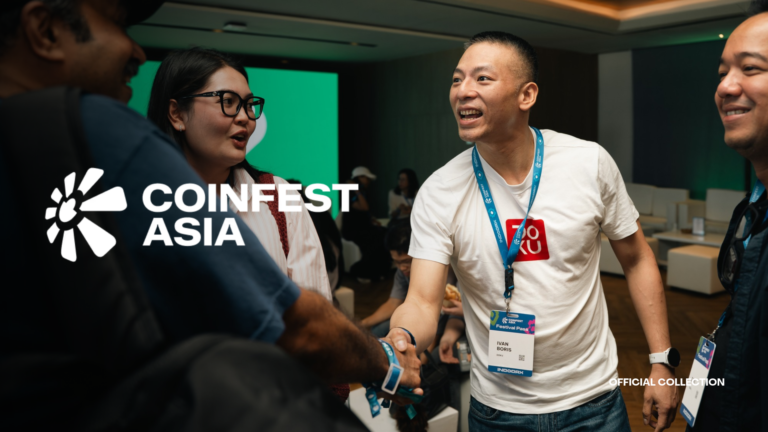
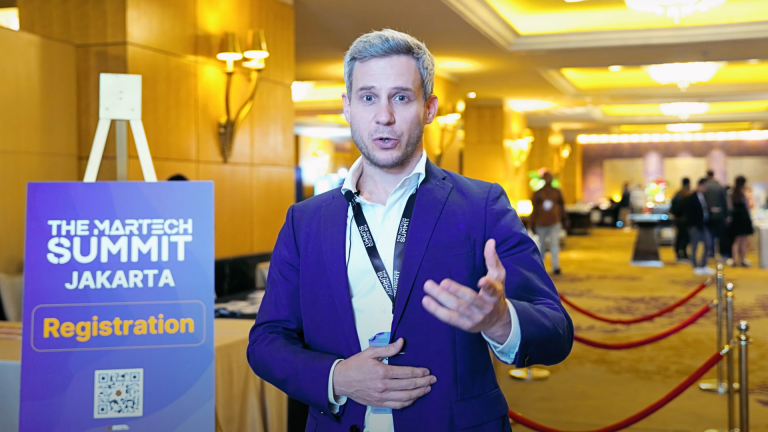
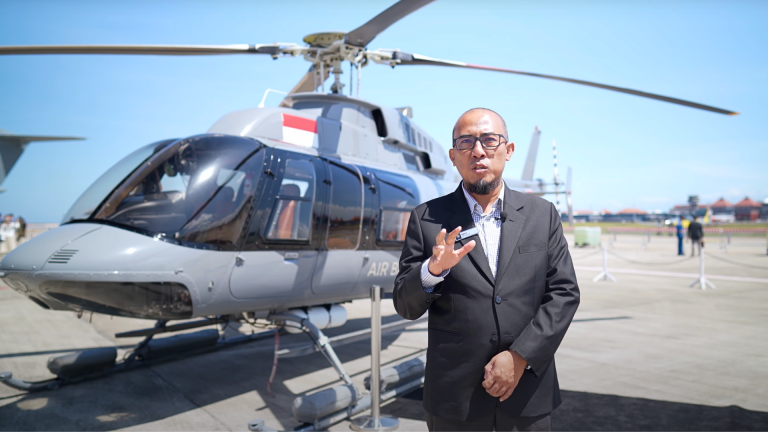
- TDR FILMS brings relevant experience from Bell Textron at Indo Defence, the G20 FMCBG, The MarTech Summit Jakarta, and sponsor work at CoinFest Asia.
What Large-Scale Corporate Event Video Production Jakarta Requires
Large-scale corporate event video production requires coordinated units working from one editorial plan. A single highlight film may draw from registration, plenary sessions, breakouts, exhibitions, interviews, sponsor activations, executive arrivals, networking, and evening programming. Those moments may happen at the same time and in different access zones.
The production brief should therefore identify the business purpose of every deliverable. An organiser recap, sponsor edit, executive interview, media asset, and short social update are not interchangeable. Each one changes the coverage priorities.
Start With a Coverage Map
A coverage map links the run sheet to locations, stakeholders, cameras, and deliverables. It should mark fixed moments that cannot be repeated, flexible atmosphere windows, restricted areas, transfer times, and the person responsible for each requirement.
For a Jakarta convention venue, include loading access, credential collection, crew parking, equipment storage, power, internet, editing space, and travel time between rooms. Large attendance increases public movement, but venue geography often creates the greater operational risk.
Building the Crew for Large-Scale Corporate Event Video Production Jakarta
Stage and Plenary Coverage
Main-stage coverage may require continuous cameras, clean sound from the venue system, backup audio, and stable sightlines. If the client needs complete session records as well as a highlight film, those responsibilities should be separated.
Roaming Event Coverage
Roaming operators capture arrivals, audience response, exhibition activity, networking, sponsor visibility, and transitions. Their movement plan should respect security, delegates, and the official programme.
Interview Unit
Executive and delegate interviews work better with a booked location, time windows, approved questions, audio control, and a producer responsible for names and titles. Trying to capture formal interviews in unplanned corridors creates avoidable noise and delays.
Editing and Media Management
Same-day or daily delivery needs an editor and a clear media handover process while filming continues. Folder structures, card rotation, backups, file names, graphics, music, captions, and review links should be defined before the event.
Approvals and Stakeholder Control
One event can have many stakeholders, but each deliverable needs one accountable approval route. Organiser, sponsor, agency, legal, protocol, and regional marketing feedback can conflict if responsibilities are unclear. A decision matrix should state who reviews facts, branding, guest visibility, and final release.
For senior guests or confidential displays, the production team also needs a do-not-film list and a process for restricted footage. These controls are easier to apply during media organisation than after several edits have circulated.
Relevant TDR FILMS Experience in Large-Scale Corporate Event Video Production Jakarta
TDR FILMS has worked in different roles inside high-pressure events. For Bell Textron at Indo Defence in Jakarta, the team delivered eight hourly recap edits per exhibition day. At the G20 Finance Ministers and Central Bank Governors meeting in Bali, TDR FILMS covered five days with daily photo and video recaps. The MarTech Summit Jakarta required conference coverage across its 2023 and 2024 editions. At CoinFest Asia, TDR FILMS handled separate briefs for individual sponsors rather than organiser-wide coverage.
These roles are not identical, which is precisely why scope must be stated carefully. The useful capability is experience coordinating live coverage, stakeholder priorities, rapid post-production, and event logistics in Indonesia.
Review the G20 FMCBG portfolio, the Bell Textron event portfolio, or the guide to event video production in Jakarta.
A Practical Pre-Production Checklist
- Final run sheet with room and stage locations
- Deliverable list, formats, durations, and deadlines
- Priority stakeholders, speakers, sponsors, and interviews
- Venue credentials, security rules, and restricted zones
- Audio feeds, lighting conditions, power, and internet
- Crew assignments and communication channels
- Media handover, backup, and file naming procedure
- Brand assets, titles, caption rules, and music approvals
- One approval owner for each deliverable
- Contingency plan for schedule changes or unavailable guests
What to Request in a Production Proposal
Ask the production company to state crew roles, coverage hours, equipment assumptions, travel and access requirements, revision rounds, delivery timing, aspect ratios, music licensing, archive policy, and exclusions. A useful proposal should make operational limits visible rather than hiding them behind a broad promise to cover everything.
Frequently Asked Questions
HOW MANY CAMERAS DOES A 1,000-PLUS VISITOR EVENT NEED?
There is no reliable number based on attendance alone. The answer depends on concurrent stages, complete-session recording, interviews, sponsor obligations, venue distance, and delivery deadlines. Build the crew from the coverage map.
CAN TDR FILMS DELIVER CONTENT DURING THE EVENT?
Yes, when same-day or hourly delivery is included in the agreed scope and the event provides editing space, media access, brand assets, and an available approver.
IS TDR FILMS BASED IN JAKARTA?
TDR FILMS is based in Bali and deploys crews for productions in Jakarta and across Indonesia. Travel, freight, permits, accommodation, and local access are planned as part of the production scope.
CAN ORGANISER AND SPONSOR DELIVERABLES BE PRODUCED TOGETHER?
Yes, but each requires defined priorities, crew responsibility, asset management, and approval ownership. Simultaneous obligations may require separate units.
Sources and Further Reading
Turn the Run Sheet Into a Production Plan
Send TDR FILMS your event dates, venue, projected attendance, stage schedule, sponsor obligations, and delivery deadlines. We will translate the brief into a realistic coverage map and production scope for Jakarta.