

International Production Logistics: What It Takes to Shoot a TDR FILMS Project Abroad
Written by Yudi Suarbawa / 4 Minutes Read
TDR FILMS builds international production logistics into every overseas shoot from day one, carrying lessons from projects tied to clients like Bell Textron. A shoot abroad starts long before the flight. Equipment, visas, insurance, and a local fixer all need confirming first.
Most delays on an international shoot happen before the crew reaches set. A held carnet at customs, a missing visa stamp, or an uninsured rental can stop a shoot cold. TDR FILMS plans backward from the shoot day to close these gaps early.
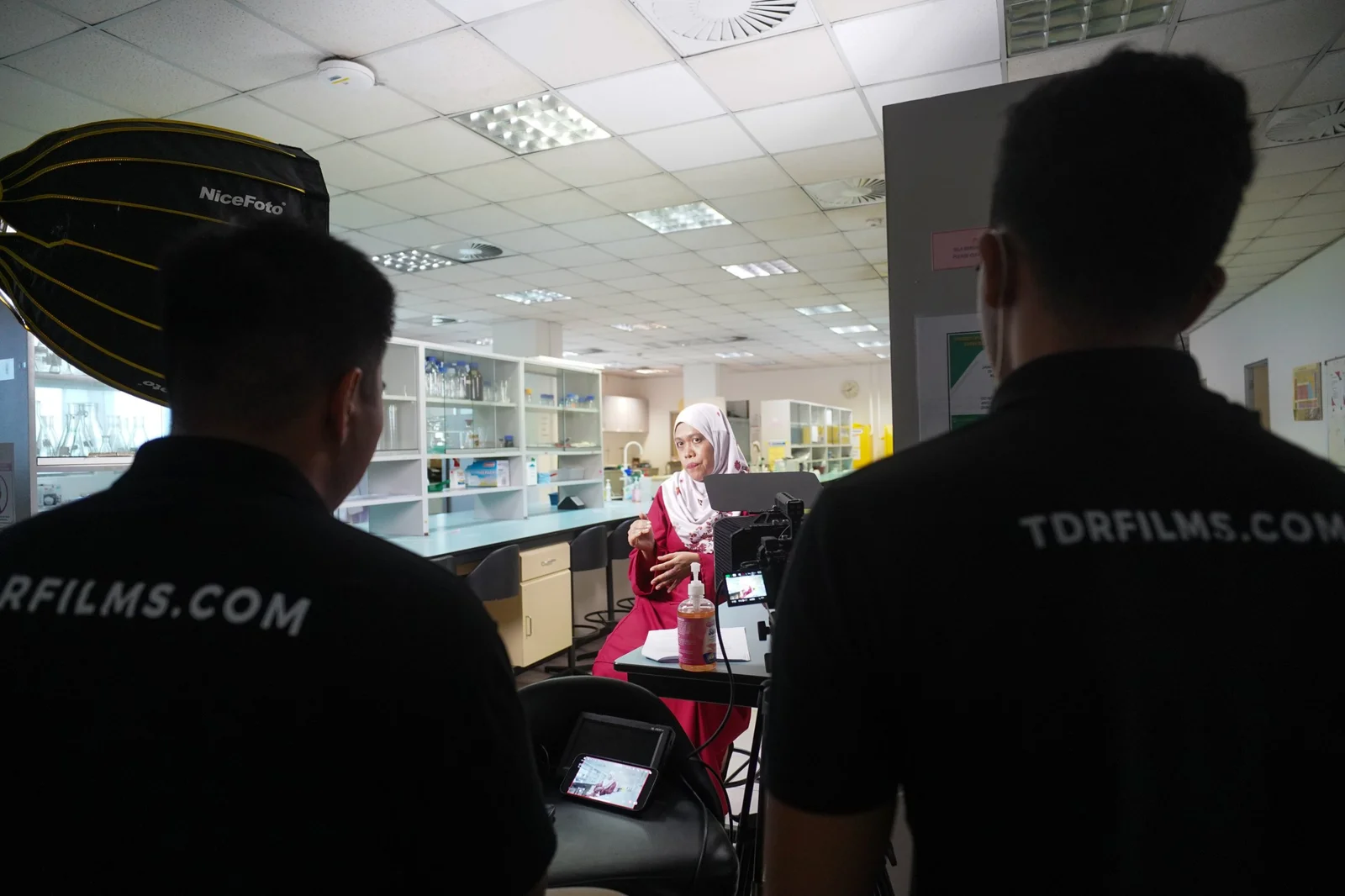
Photo: Pande Satya, Universiti Putra Malaysia, 2025
THE EQUIPMENT PROBLEM: CARNETS AND CUSTOMS
Camera gear crossing a border without the right paperwork can get held, taxed, or confiscated. An ATA Carnet solves this for most countries. It acts as a passport for equipment, letting a crew bring gear in temporarily without paying import duty.
TDR FILMS lists every piece of gear with serial numbers before departure. The team applies for the carnet well ahead of the shoot date. A customs officer who cannot match a lens to a list can simply hold it. That single delay can cost an entire shoot day.
INSURANCE THAT ACTUALLY TRAVELS WITH THE CREW
A certificate of insurance proves a production carries active coverage. Most rental houses and venues will not release gear or grant access without one. Coverage usually spans general liability, equipment, and crew injury.
International production logistics add a layer most domestic shoots skip. The policy has to actually cover the destination country, not just Indonesia. TDR FILMS checks this with the insurer before booking flights, not after landing.
VISAS AND WORK PERMITS FOR THE CREW
Every country treats a film crew differently from a tourist. Some allow filming on a standard visa for small, non-commercial shoots. Most commercial productions need a dedicated filming visa or work permit tied to the project itself.
TDR FILMS confirms visa requirements for every crew member by role, not just by nationality. Different roles can trigger different permit categories in the same country, such as a director of photography versus a drone operator.
A LOCAL FIXER CHANGES THE WHOLE SCHEDULE
A fixer handles what a visiting crew cannot: local permits, location access, language, and relationships with venues or authorities. Skipping this step on an unfamiliar market usually costs more time than it saves.
TDR FILMS books a local fixer or co-producer for every overseas project before finalizing the shoot schedule. That one relationship often decides whether a three-day shoot actually finishes in three days.
INTERNATIONAL PRODUCTION LOGISTICS NEED AN EARLY START
International production logistics only work when the planning starts early enough. Carnets, visas, and insurance can each take weeks. They often run in parallel rather than one after another.
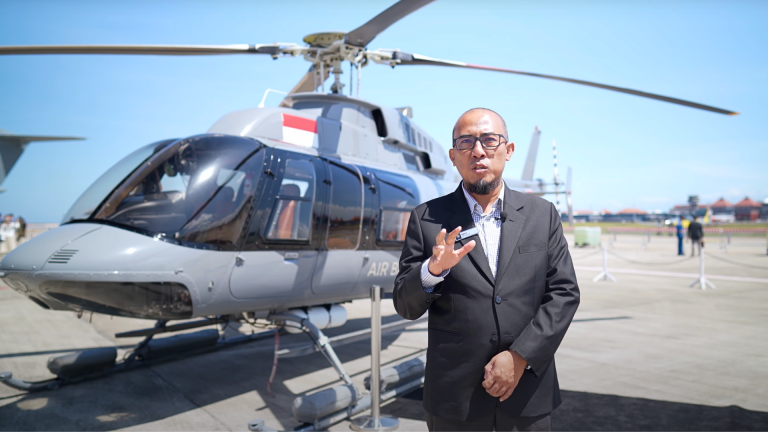
TDR FILMS has produced work for government-scale events including the G20 Bali Summit, and for international corporate clients including Bell Textron, work that regularly crosses Indonesia’s borders. That experience shapes a standard planning window of six to eight weeks before any international shoot, longer for countries with stricter filming rules.
Planning a shoot outside Indonesia, or bringing an international crew in? TDR FILMS will map out the carnet, visa, and insurance timeline before you book a single flight.