







Company Profile Video: Planning Your Q1 Production
TDR FILMS produces company profile video content for brands in Bali, Jakarta and across Indonesia. Q1 can be a useful planning window when a business has confirmed its annual priorities. However, the right production date depends on your audience, approvals and launch schedule. This guide explains how to assess that timing.
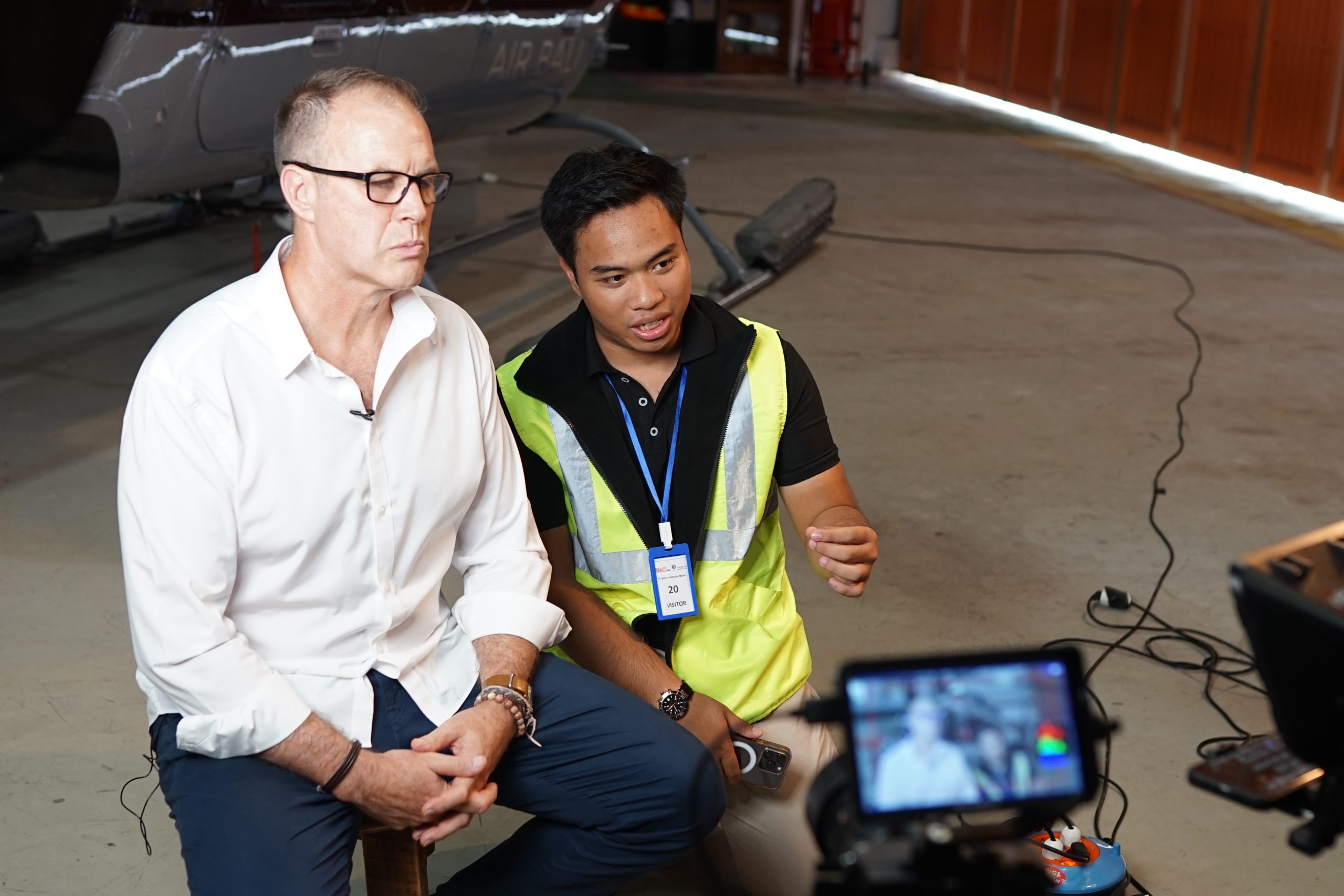
Use Q1 to clarify the company profile video brief
Start with the people who will watch the film. Potential clients, investors and job candidates need different information. Therefore, choose one primary audience before listing scenes or interview subjects.
Next, decide where the video will appear. A website introduction may need a different structure from a sales presentation. Agree the intended action and the information viewers need before taking it.
Connect the schedule to real business milestones
Q1 may suit a company that has just approved its marketing plan. It may also allow time before a later launch or event. However, budget cycles differ between organisations.
Check when facilities, leadership and interview subjects will be available. Then work backwards from the first delivery deadline. Include time for feedback and any required changes.
An early shoot offers little value if key facts will soon change. In that case, wait for the relevant milestone or plan a later update.
Choose what the company profile video should explain
A company profile video introduces the business and its capabilities. It can show people, operations and examples of the work. However, it does not need to include every department or service.
Choose details that answer the audience’s main questions. For example, a buyer may want to understand your process and delivery capacity. A candidate may want a clear view of the working environment.
Also choose a length that fits the viewing context. There is no single runtime that suits every company or channel.
Build evidence around people and operations
Relevant footage helps viewers understand what a business actually does. Film the facilities and activities that support the message. Then check that the narration matches what the images show.
A customer or employee interview can add a useful perspective. However, use it when the person’s experience supports the story. Avoid asking someone to make a claim they cannot substantiate.
For educational projects, confirm consent and safeguarding arrangements with the institution. Similar planning principles apply, but the audience and filming conditions will differ.
Agree reviews and delivery formats
Choose one client contact to collect feedback. Next, set approval stages for the concept, script and edit. Confirm who checks names, figures and technical statements.
In addition, list the versions your team will use. These might include a main film, a shorter edit or subtitled versions. Agree those requirements before comparing production quotes.
Plan for updates after launch
A company profile video may need changes when services, leadership or facilities change. Therefore, discuss how the production team will organise project files and future updates.
Finally, review performance against the original purpose. Sales feedback, viewing data and audience questions can inform the next version. They do not guarantee a fixed business result.
See the TDR FILMS portfolio for examples. To plan a company profile video around your actual calendar, share your brief with the team.