

How TDR FILMS Approaches Event Coverage, Camera by Camera
By Yudi Suarbawa – 5 Minutes Read
How TDR FILMS approaches event coverage starts with a camera plan built weeks in advance. Producer Yudi Suarbawa coordinates that plan. Director Tristan D. Rama shapes it. A crew does not simply show up on the day and react to whatever happens. Most clients only see the finished highlight reel. The planning that determines whether that reel captures the event’s best moments stays invisible to them.
That planning matters more than most people realise. Live events rarely happen from a single point of view. A keynote speaker moves across the stage. A panel involves multiple participants. Important moments sometimes happen at the same time in different parts of the room. How TDR FILMS approaches event coverage accounts for all of this before the event even begins.
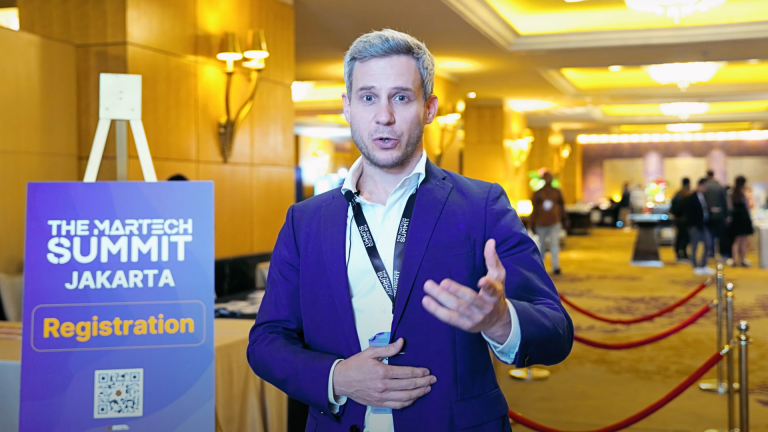
Photo by Pande Satya taken at JIExpo Kemayoran (2025)
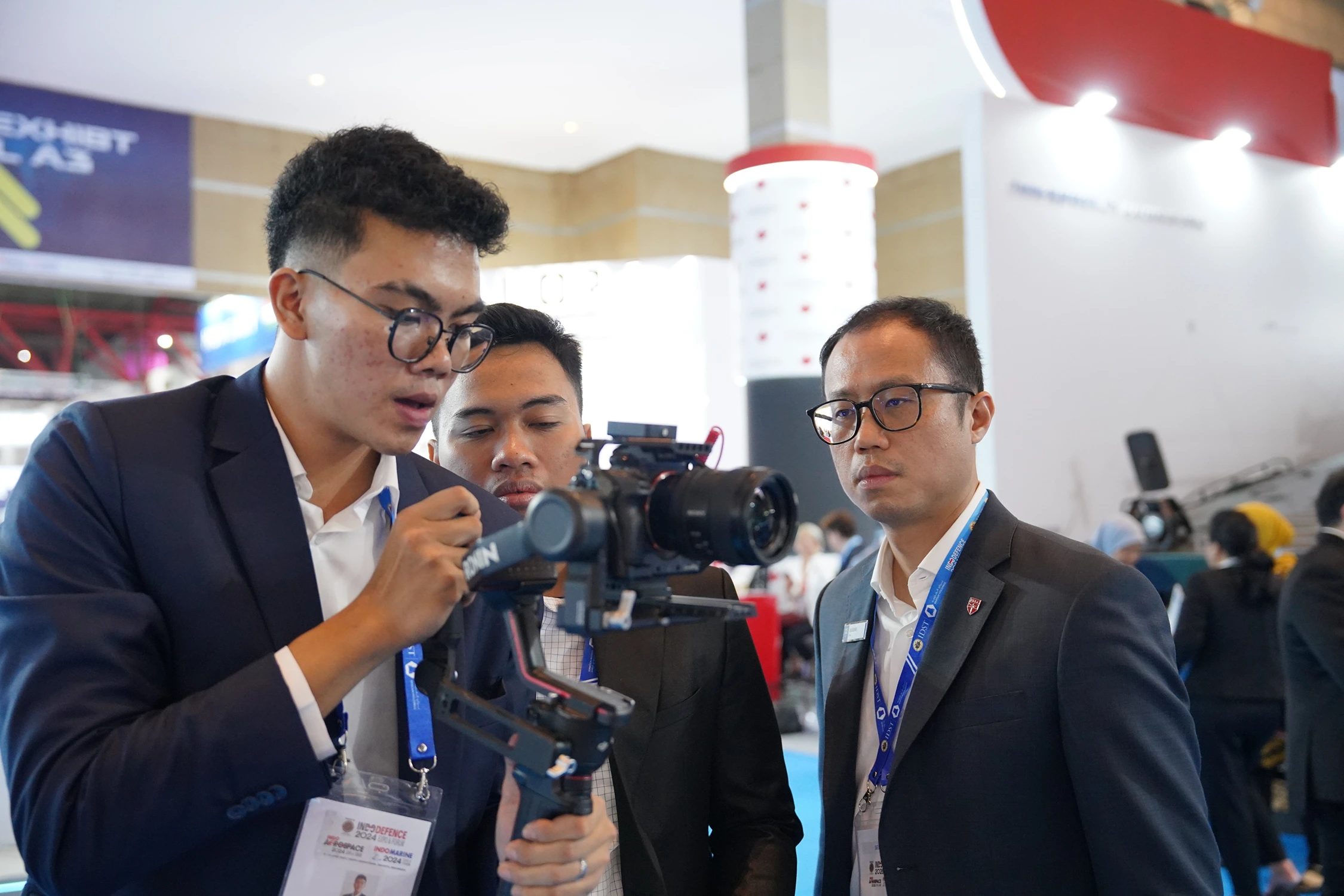
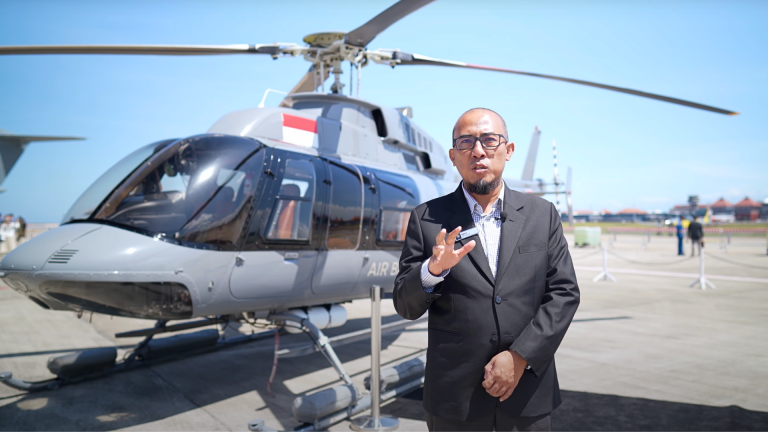
Photo by TDR FILMS Crew (2026)
WHY THE FIRST DECISION IS NOT HOW MANY CAMERAS, BUT WHERE
Every event requires a genuinely unique camera strategy. That strategy depends on the venue, the schedule, and what the client actually needs the footage to achieve afterward. How TDR FILMS approaches event coverage starts by mapping the venue itself. We identify where the stage sits and where the audience will be. We also identify which moments in the programme matter most to the client’s objective.
According to iKan Corp’s guide to optimizing a multi-camera setup, camera placement for live events needs to capture the big picture and key details at the same time. This typically requires a main wide camera covering the entire stage. It also requires additional cameras dedicated to close-up coverage of speakers and audience reactions. Furthermore, coordinating coverage zones matters, so cameras do not all chase the same subject at once. Redundant coverage from multiple angles wastes crew attention. That attention could otherwise capture something the plan would miss entirely.
WHY THE NUMBER OF CAMERAS SCALES TO THE ACTUAL EVENT, NOT A DEFAULT
How TDR FILMS approaches event coverage never defaults to a fixed camera count regardless of the brief. A single roaming videographer genuinely suits a smaller networking event or an awards presentation with one clear focal point. A conference with a main stage and simultaneous breakout sessions requires multiple dedicated crews. One camera can only be in one place. A session in a different room while the main stage runs cannot be recreated after the fact.
Furthermore, TDR FILMS connects directly to a venue’s AV system whenever possible. This captures a clean audio feed straight from speaker microphones. We do not rely on ambient room sound alone. This single technical decision often determines whether a keynote recording sounds professional, or sounds like the crew captured it from the back of the room on a single on-camera microphone.
HOW THE SHOT LIST GETS BUILT BEFORE THE EVENT BEGINS
Shot planning for how TDR FILMS approaches event coverage starts in pre-production, not on the morning of the event itself. We build a detailed shot list. It identifies opening establishing shots, key speaker moments, and audience reactions. It also identifies any branded or sponsor elements that matter to the client’s broader communication goals.
In addition, this planning identifies moments that cannot repeat if a camera misses them. A ribbon-cutting. A keynote’s opening line. A specific award presentation. We assign each of these must-capture moments to a specific camera in advance. That planning separates coverage built on a plan from coverage built on luck. Hoping whichever camera happens to point the right direction catches it rarely works.
WHY MULTI-CAMERA COVERAGE PAYS OFF LONG AFTER THE EVENT ENDS
Multi-camera footage provides genuine flexibility in the edit that single-camera coverage cannot match. Different angles of the same moment allow for stronger highlight reels and more natural cutaways. They also generate considerably more usable content for training, marketing, and internal communication, without requiring any additional filming.
How TDR FILMS approaches event coverage treats this flexibility as part of the value we deliver, not an accidental bonus. A well-planned multi-camera shoot from a single event day can generate a highlight reel, individual speaker cutdowns, and a library of b-roll. One coordinated shoot day supports marketing content for months afterward. That same coordinated crew structure is exactly what makes a shoot day at TDR FILMS run smoothly, whether it is a single-location brand film or a multi-camera event.
WHY THIS APPROACH MATTERS AT ANY SCALE
TDR FILMS has produced work for government-scale events including the G20 Bali Summit, where multi-camera coordination carried genuine operational stakes. Multiple simultaneous sessions, strict security protocols, and zero tolerance for a missed moment all applied there. That same planning discipline scales down naturally to a single-stage corporate event or a smaller ceremony. The underlying principle never changes: plan the coverage before the event begins.
TDR FILMS is a trusted production partner for conferences, ceremonies, and corporate events across Indonesia. How TDR FILMS approaches event coverage ultimately comes down to treating the camera plan as seriously as the event’s own programme. A moment missed during a live event can never be filmed again.
Planning an event and want coverage built on a real camera plan, not improvisation on the day?
Tell us about your event and venue. TDR FILMS will show you exactly how the coverage plan comes together.